Adidas Future Vision
Adidas Future Vision
Grundfos GO
Client: Adidas
Agency: Landor
Role: Lead Product Designer
Teams: Leadership team, 2 PMs, 5 Designers
Duration: 6 months
Goal: Create a vision of what the future of sports retail could be.
Outcome: An experience that will pave the way forwards for Adidas and their growth journey.
Client: Adidas
Agency: Landor
Role: Lead Product Designer
Teams: Leadership team, 2 PMs, 5 Designers
Duration: 6 months
Goal: Create a vision of what the future of sports retail could be.
Outcome: An experience that will pave the way forwards for Adidas and their growth journey.
Project Introduction
Project Introduction
Retail experiences are rapidly evolving as digital platforms begin to merge e-commerce, social influence, and immersive technologies. For global brands such as Adidas, the challenge is no longer simply selling products online but creating engaging experiences that help customers explore style, discover products, and feel confident in their purchasing decisions.
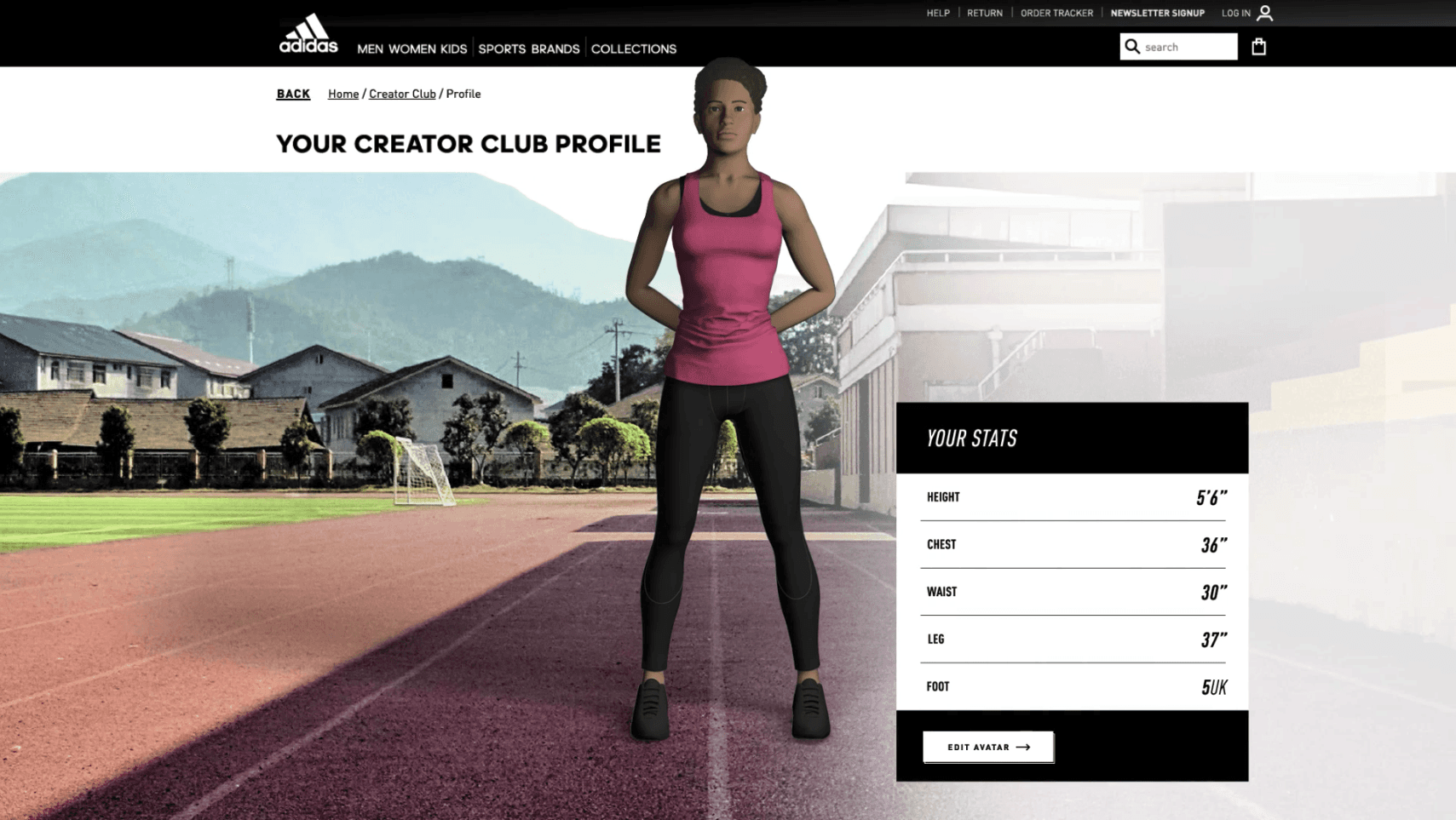
The Adidas Avatar Shopping concept explored how a mobile shopping experience could move beyond traditional product listings and instead create an interactive digital environment where users could visualise clothing, build outfits, and discover inspiration through social connections. The concept imagined a system where users could generate a stylised avatar of themselves and use that avatar to preview clothing combinations before making a purchase.
Rather than browsing static product images, customers could experiment with outfits, save product combinations, check store availability, and receive style inspiration from professional athletes and sports personalities. The goal was to explore how digital avatars, social influence, and retail discovery could combine into a more immersive shopping experience.
The project was presented as a concept video demonstrating how future retail platforms might integrate identity, fashion exploration, and social influence into a unified mobile experience.
Retail experiences are rapidly evolving as digital platforms begin to merge e-commerce, social influence, and immersive technologies. For global brands such as Adidas, the challenge is no longer simply selling products online but creating engaging experiences that help customers explore style, discover products, and feel confident in their purchasing decisions.
The Adidas Avatar Shopping concept explored how a mobile shopping experience could move beyond traditional product listings and instead create an interactive digital environment where users could visualise clothing, build outfits, and discover inspiration through social connections. The concept imagined a system where users could generate a stylised avatar of themselves and use that avatar to preview clothing combinations before making a purchase.
Rather than browsing static product images, customers could experiment with outfits, save product combinations, check store availability, and receive style inspiration from professional athletes and sports personalities. The goal was to explore how digital avatars, social influence, and retail discovery could combine into a more immersive shopping experience.
The project was presented as a concept video demonstrating how future retail platforms might integrate identity, fashion exploration, and social influence into a unified mobile experience.
Project Story
Project Story
The starting point for the project was a familiar challenge in online fashion retail: customers often struggle to visualise how clothing will look when worn or how different items will work together as a complete outfit. Traditional product pages show individual garments, but they rarely capture the full styling possibilities that exist when items are combined.
At the same time, fashion discovery is increasingly driven by social influence. Athletes, celebrities, and influencers frequently shape purchasing behaviour, with fans often wanting to replicate the styles worn by their favourite sports personalities.
The opportunity was to create an experience that brought these two dynamics together. Instead of browsing individual product listings, users could begin by creating a stylised digital avatar that represented their identity within the shopping environment. This avatar would become the central interface through which clothing could be explored, styled, and combined.
By shifting the focus from product pages to a personal avatar, the concept aimed to transform the shopping experience into something more interactive and expressive.
The starting point for the project was a familiar challenge in online fashion retail: customers often struggle to visualise how clothing will look when worn or how different items will work together as a complete outfit. Traditional product pages show individual garments, but they rarely capture the full styling possibilities that exist when items are combined.
At the same time, fashion discovery is increasingly driven by social influence. Athletes, celebrities, and influencers frequently shape purchasing behaviour, with fans often wanting to replicate the styles worn by their favourite sports personalities.
The opportunity was to create an experience that brought these two dynamics together. Instead of browsing individual product listings, users could begin by creating a stylised digital avatar that represented their identity within the shopping environment. This avatar would become the central interface through which clothing could be explored, styled, and combined.
By shifting the focus from product pages to a personal avatar, the concept aimed to transform the shopping experience into something more interactive and expressive.
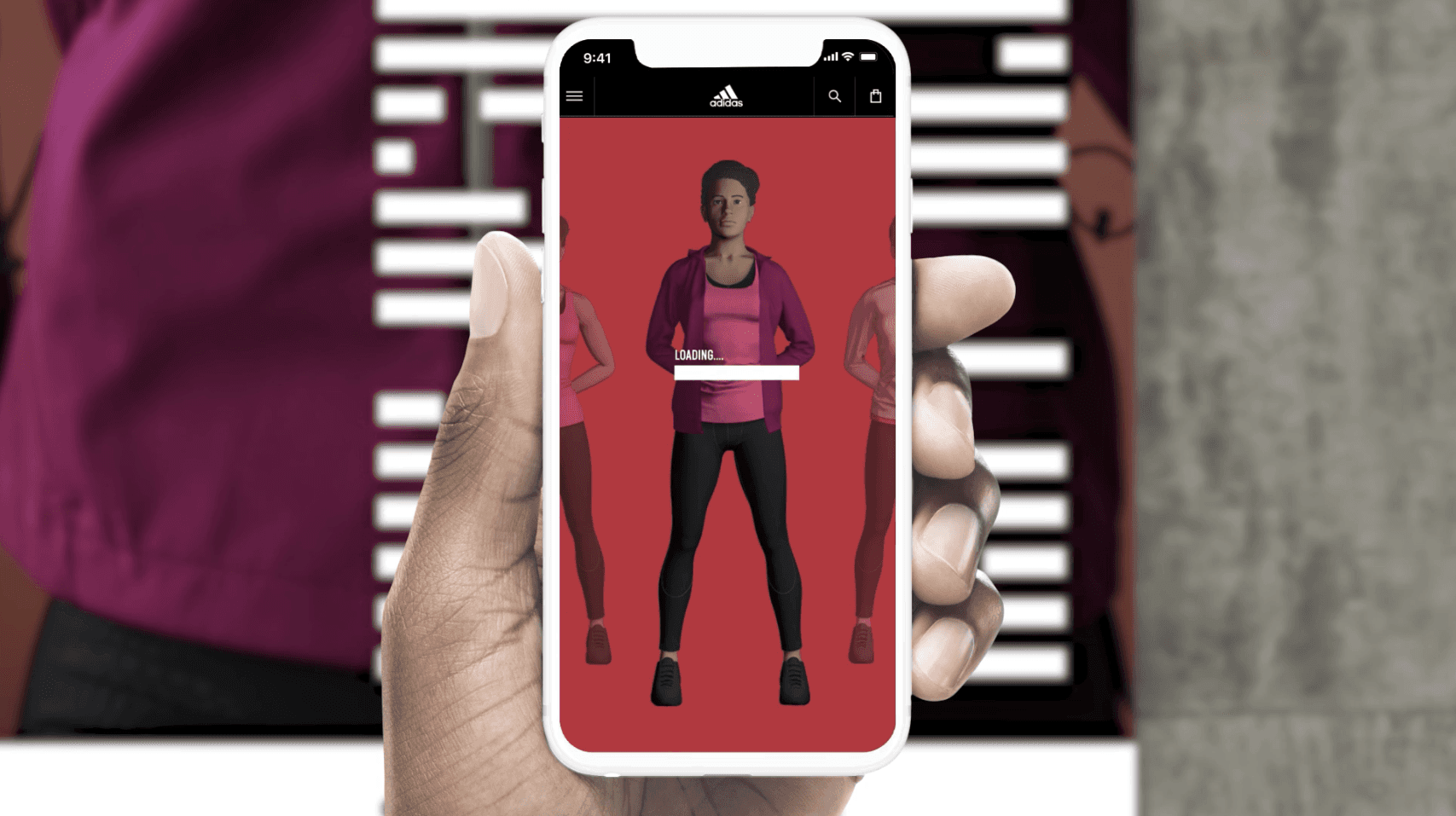
The key idea behind the concept was the avatar as a digital shopping companion. Instead of scrolling through product grids, users could dress their avatar with items from the Adidas catalogue and instantly see how those pieces worked together visually.
Within the concept experience, users could browse clothing categories and apply garments directly to their avatar. As outfits were created, the system would allow users to save combinations, build collections of favourite looks, and quickly switch between different styles.
Beyond personal experimentation, the concept also explored the role of social inspiration. Through integrated social links, users could instantly apply the outfit of a professional athlete or sports celebrity to their avatar, allowing fans to replicate iconic looks with a single tap. This created a bridge between celebrity influence and personal expression, enabling users to adapt professional athlete styles to their own preferences.
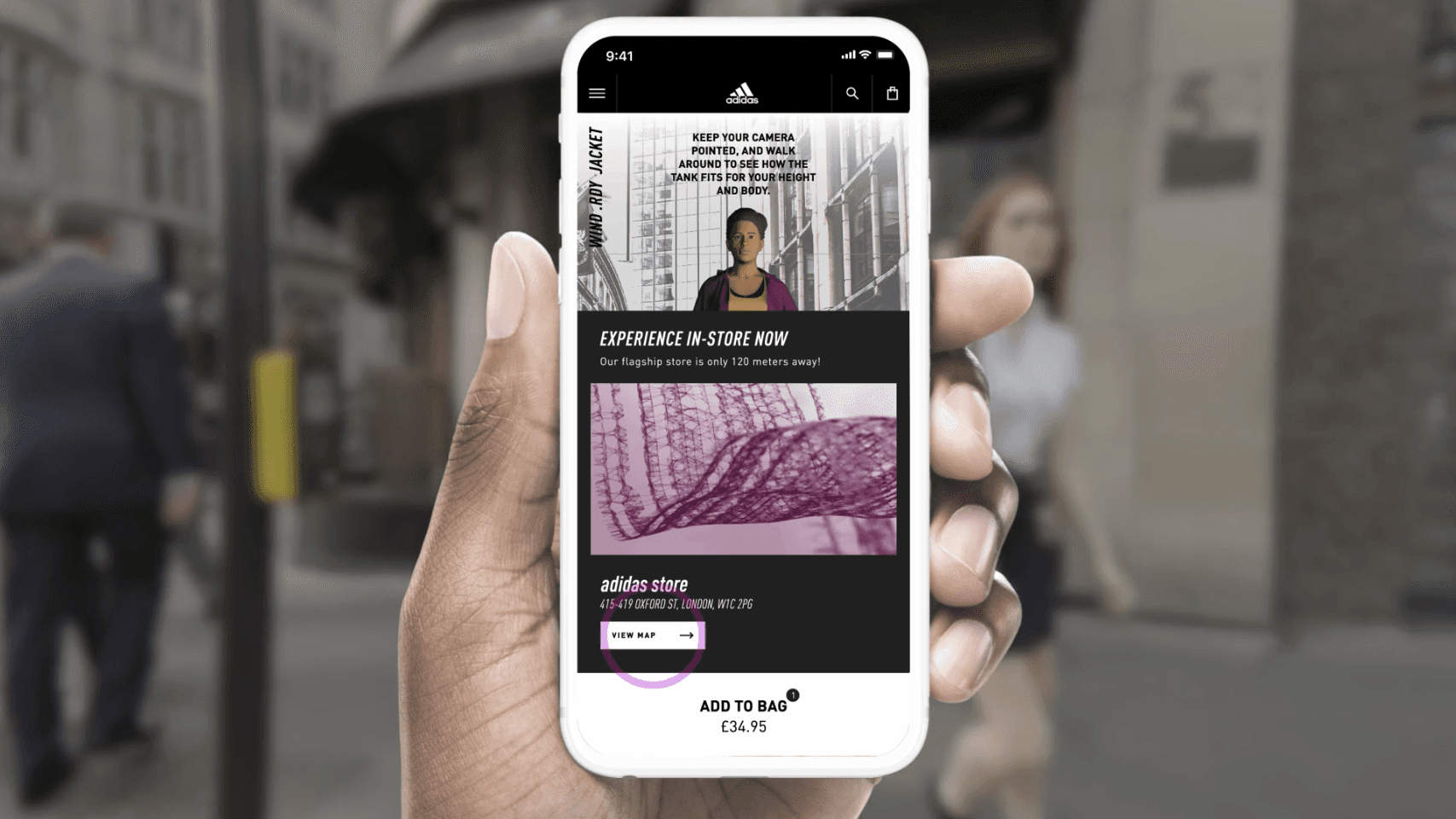
The platform also included practical retail features. Users could check product availability at nearby stores, navigate to physical locations, and view stock levels before visiting. This integration connected digital exploration with physical retail, helping users move seamlessly from inspiration to purchase.
The concept video illustrated how the interface, motion design, and avatar interaction could work together to create a fluid and engaging experience where browsing, styling, and purchasing felt like part of a single continuous journey.
Ineffect, the produc transformed the smartphone into a complete field-service toolkit.
The key idea behind the concept was the avatar as a digital shopping companion. Instead of scrolling through product grids, users could dress their avatar with items from the Adidas catalogue and instantly see how those pieces worked together visually.
Within the concept experience, users could browse clothing categories and apply garments directly to their avatar. As outfits were created, the system would allow users to save combinations, build collections of favourite looks, and quickly switch between different styles.
Beyond personal experimentation, the concept also explored the role of social inspiration. Through integrated social links, users could instantly apply the outfit of a professional athlete or sports celebrity to their avatar, allowing fans to replicate iconic looks with a single tap. This created a bridge between celebrity influence and personal expression, enabling users to adapt professional athlete styles to their own preferences.
The platform also included practical retail features. Users could check product availability at nearby stores, navigate to physical locations, and view stock levels before visiting. This integration connected digital exploration with physical retail, helping users move seamlessly from inspiration to purchase.
The concept video illustrated how the interface, motion design, and avatar interaction could work together to create a fluid and engaging experience where browsing, styling, and purchasing felt like part of a single continuous journey.
Ineffect, the produc transformed the smartphone into a complete field-service toolkit.
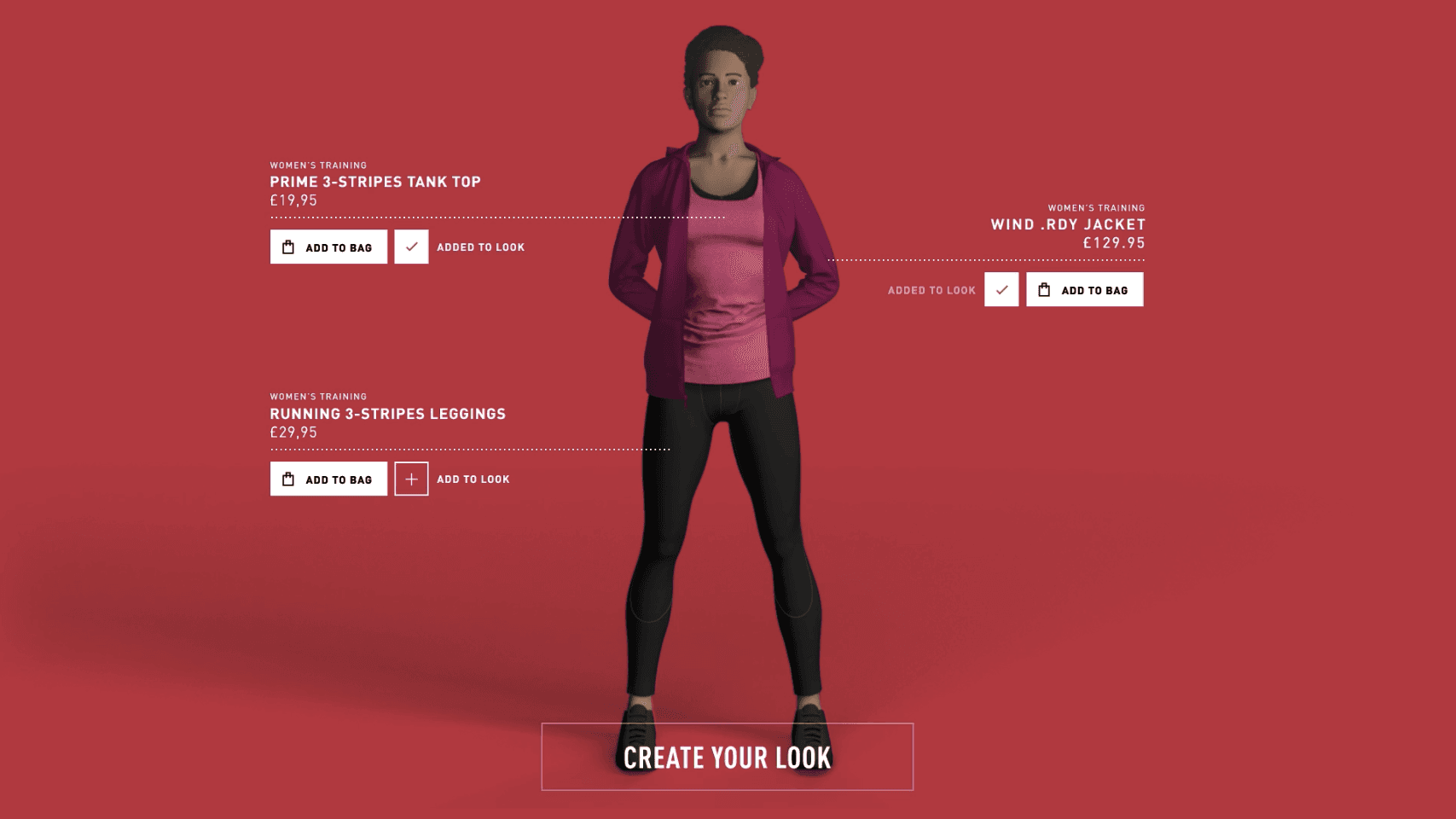
As the concept developed, it became clear that the strength of the experience came from combining three distinct elements: personal identity, social influence, and retail functionality. The avatar served as the bridge between these elements, allowing users to experiment with style while still engaging with the practical aspects of shopping.
By visualising outfits on a personalised avatar, the experience reduced uncertainty around clothing combinations and helped users feel more confident in their choices. At the same time, the integration of social inspiration allowed fans to connect more closely with the styles of athletes and celebrities they admired.
The addition of store navigation and product availability also ensured that the concept remained grounded in real retail behaviour. Rather than existing as a purely digital experiment, the platform was designed to support the entire journey from inspiration to purchase.
Through the concept video, the project demonstrated how retail interfaces could evolve beyond static product browsing into interactive experiences built around identity and expression.
As the concept developed, it became clear that the strength of the experience came from combining three distinct elements: personal identity, social influence, and retail functionality. The avatar served as the bridge between these elements, allowing users to experiment with style while still engaging with the practical aspects of shopping.
By visualising outfits on a personalised avatar, the experience reduced uncertainty around clothing combinations and helped users feel more confident in their choices. At the same time, the integration of social inspiration allowed fans to connect more closely with the styles of athletes and celebrities they admired.
The addition of store navigation and product availability also ensured that the concept remained grounded in real retail behaviour. Rather than existing as a purely digital experiment, the platform was designed to support the entire journey from inspiration to purchase.
Through the concept video, the project demonstrated how retail interfaces could evolve beyond static product browsing into interactive experiences built around identity and expression.
Conclusion
Conclusion
The Adidas Avatar Shopping concept explored how digital avatars could transform the way customers interact with fashion products online. By turning the shopper into the centre of the experience, the platform shifted the focus from browsing products to exploring personal style.
Through the combination of avatar visualisation, social inspiration, and retail functionality, the concept demonstrated how shopping platforms could evolve into more immersive environments where discovery, expression, and purchasing are closely connected.
While presented as a conceptual vision, the project illustrated how emerging technologies such as digital avatars, social integrations, and interactive product experiences could reshape the future of retail.
The Adidas Avatar Shopping concept explored how digital avatars could transform the way customers interact with fashion products online. By turning the shopper into the centre of the experience, the platform shifted the focus from browsing products to exploring personal style.
Through the combination of avatar visualisation, social inspiration, and retail functionality, the concept demonstrated how shopping platforms could evolve into more immersive environments where discovery, expression, and purchasing are closely connected.
While presented as a conceptual vision, the project illustrated how emerging technologies such as digital avatars, social integrations, and interactive product experiences could reshape the future of retail.
Takeaways
Takeaways
Avatar-based interfaces can transform product exploration.
Allowing users to visualise clothing on a personalised avatar creates a more engaging and expressive shopping experience.Social influence plays a powerful role in retail discovery.
Integrating athlete and celebrity styles into the shopping experience can help users discover new looks and feel closer to the brand.Interactive experiences reduce purchasing uncertainty.
Seeing clothing combinations on an avatar helps users understand how different items work together before making a purchase.Digital and physical retail should be connected.
Integrating store navigation and stock availability bridges the gap between online browsing and in-store purchasing.Concept design can help brands imagine future retail experiences.
Vision projects like this allow teams to explore how emerging technologies might reshape the shopping journey.
Avatar-based interfaces can transform product exploration.
Allowing users to visualise clothing on a personalised avatar creates a more engaging and expressive shopping experience.Social influence plays a powerful role in retail discovery.
Integrating athlete and celebrity styles into the shopping experience can help users discover new looks and feel closer to the brand.Interactive experiences reduce purchasing uncertainty.
Seeing clothing combinations on an avatar helps users understand how different items work together before making a purchase.Digital and physical retail should be connected.
Integrating store navigation and stock availability bridges the gap between online browsing and in-store purchasing.Concept design can help brands imagine future retail experiences.
Vision projects like this allow teams to explore how emerging technologies might reshape the shopping journey.
Prototype
Prototype
More Work