Artemis Fowl
Artemis Fowl
Client: Disney
Agency: Nvizible VFX
Role: Design Director (Concept & Visual Direction)
Teams: Leadership team, 2 PMs, 3 Designers
Duration: 3 months
Goal: Interface concepts, visual systems, motion thinking, VFX ideation
Outcome: UI designs for in-world systems and conceptual VFX layers
Client: Disney
Agency: Nvizible VFX
Role: Design Director (Concept & Visual Direction)
Teams: Leadership team, 2 PMs, 3 Designers
Duration: 3 months
Goal: Interface concepts, visual systems, motion thinking, VFX ideation
Outcome: UI designs for in-world systems and conceptual VFX layers
Project Introduction
Project Introduction
Designing interfaces for fantasy films requires a different mindset from both traditional product design and realistic cinematic UX. The systems must feel believable within their own world, but they are not constrained by current technology. Instead, they must align with the tone, rules, and imagination of the universe they exist within. In Artemis Fowl, technology is portrayed as advanced, secretive, and deeply integrated into a hidden world of intelligence and control.
My role on the project focused on designing the UX and UI concepts for these systems, helping define how fantastical technology should behave and appear on screen. This included working on monitor-based interfaces as well as conceptual visual effects layers that explored how information could be represented in more immersive and dynamic ways.
Unlike later-stage production work, this phase of the project was more exploratory and creative, allowing greater freedom to define how these systems might function and look. The goal was to establish a visual language that felt advanced, intelligent, and unique to the world of the film while still being readable and coherent for audiences.
Designing interfaces for fantasy films requires a different mindset from both traditional product design and realistic cinematic UX. The systems must feel believable within their own world, but they are not constrained by current technology. Instead, they must align with the tone, rules, and imagination of the universe they exist within. In Artemis Fowl, technology is portrayed as advanced, secretive, and deeply integrated into a hidden world of intelligence and control.
My role on the project focused on designing the UX and UI concepts for these systems, helping define how fantastical technology should behave and appear on screen. This included working on monitor-based interfaces as well as conceptual visual effects layers that explored how information could be represented in more immersive and dynamic ways.
Unlike later-stage production work, this phase of the project was more exploratory and creative, allowing greater freedom to define how these systems might function and look. The goal was to establish a visual language that felt advanced, intelligent, and unique to the world of the film while still being readable and coherent for audiences.
Project Story
Project Story
At the start of the project, the challenge was to define how technology within the world of Artemis Fowl should be represented. Unlike grounded systems such as those in automotive or military contexts, this technology needed to feel elevated—more advanced, more fluid, and less constrained by real-world limitations.
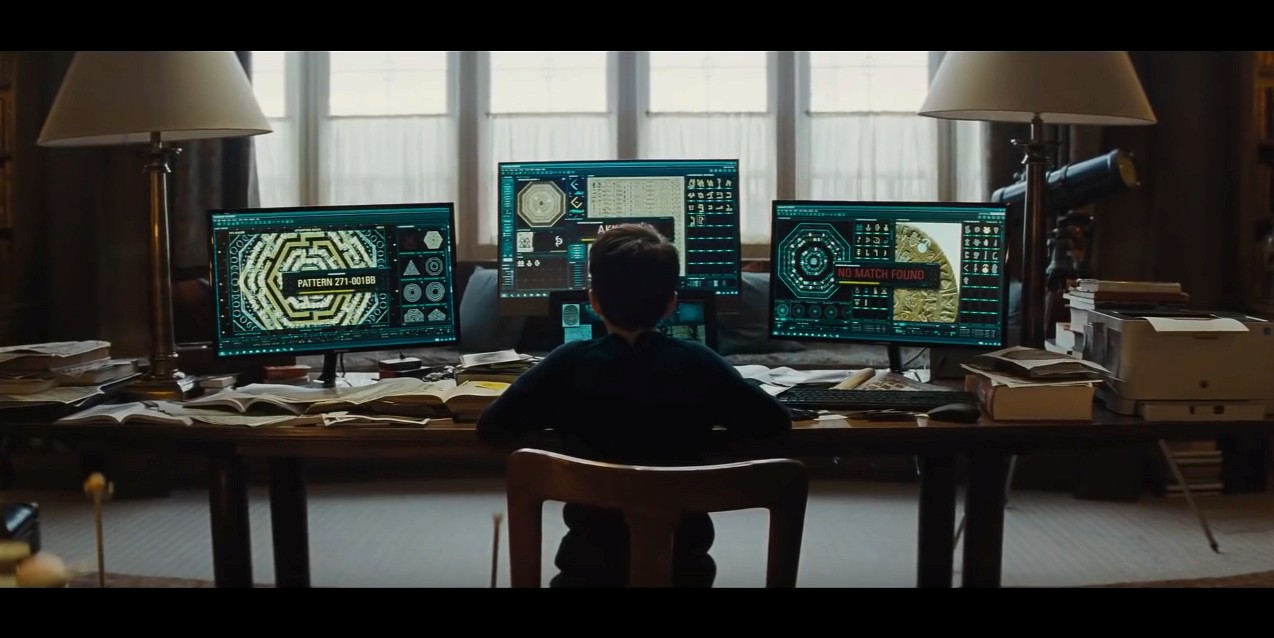
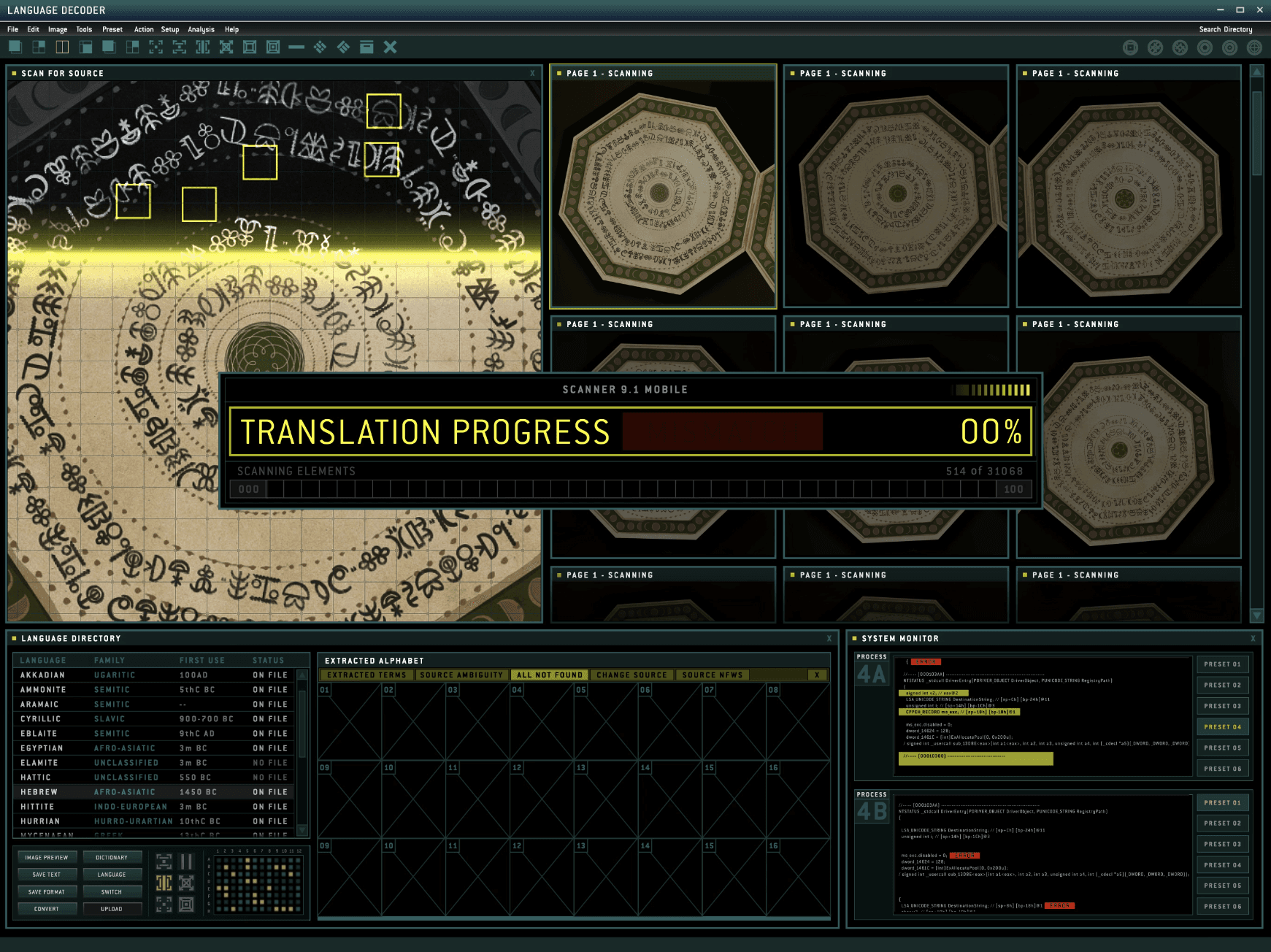
The interfaces were designed to represent systems used for surveillance, analysis, and control, often displayed across large monitor setups within high-tech environments. These systems needed to communicate complex information quickly while maintaining a sense of mystery and sophistication.
Because the project was in a concept-heavy phase, there was an opportunity to explore a wide range of visual ideas. This included experimenting with layered interfaces, abstract data visualisation, and dynamic motion concepts that could extend beyond traditional screen-based UI. The goal was not just to design interfaces, but to imagine how these systems could exist as part of a larger technological ecosystem within the film’s world.
At the same time, the designs still needed to align with cinematic principles. Even in a fantasy setting, clarity is essential—audiences must be able to understand what is happening on screen without explanation. This required balancing visual creativity with strong hierarchy and readability.
At the start of the project, the challenge was to define how technology within the world of Artemis Fowl should be represented. Unlike grounded systems such as those in automotive or military contexts, this technology needed to feel elevated—more advanced, more fluid, and less constrained by real-world limitations.
The interfaces were designed to represent systems used for surveillance, analysis, and control, often displayed across large monitor setups within high-tech environments. These systems needed to communicate complex information quickly while maintaining a sense of mystery and sophistication.
Because the project was in a concept-heavy phase, there was an opportunity to explore a wide range of visual ideas. This included experimenting with layered interfaces, abstract data visualisation, and dynamic motion concepts that could extend beyond traditional screen-based UI. The goal was not just to design interfaces, but to imagine how these systems could exist as part of a larger technological ecosystem within the film’s world.
At the same time, the designs still needed to align with cinematic principles. Even in a fantasy setting, clarity is essential—audiences must be able to understand what is happening on screen without explanation. This required balancing visual creativity with strong hierarchy and readability.
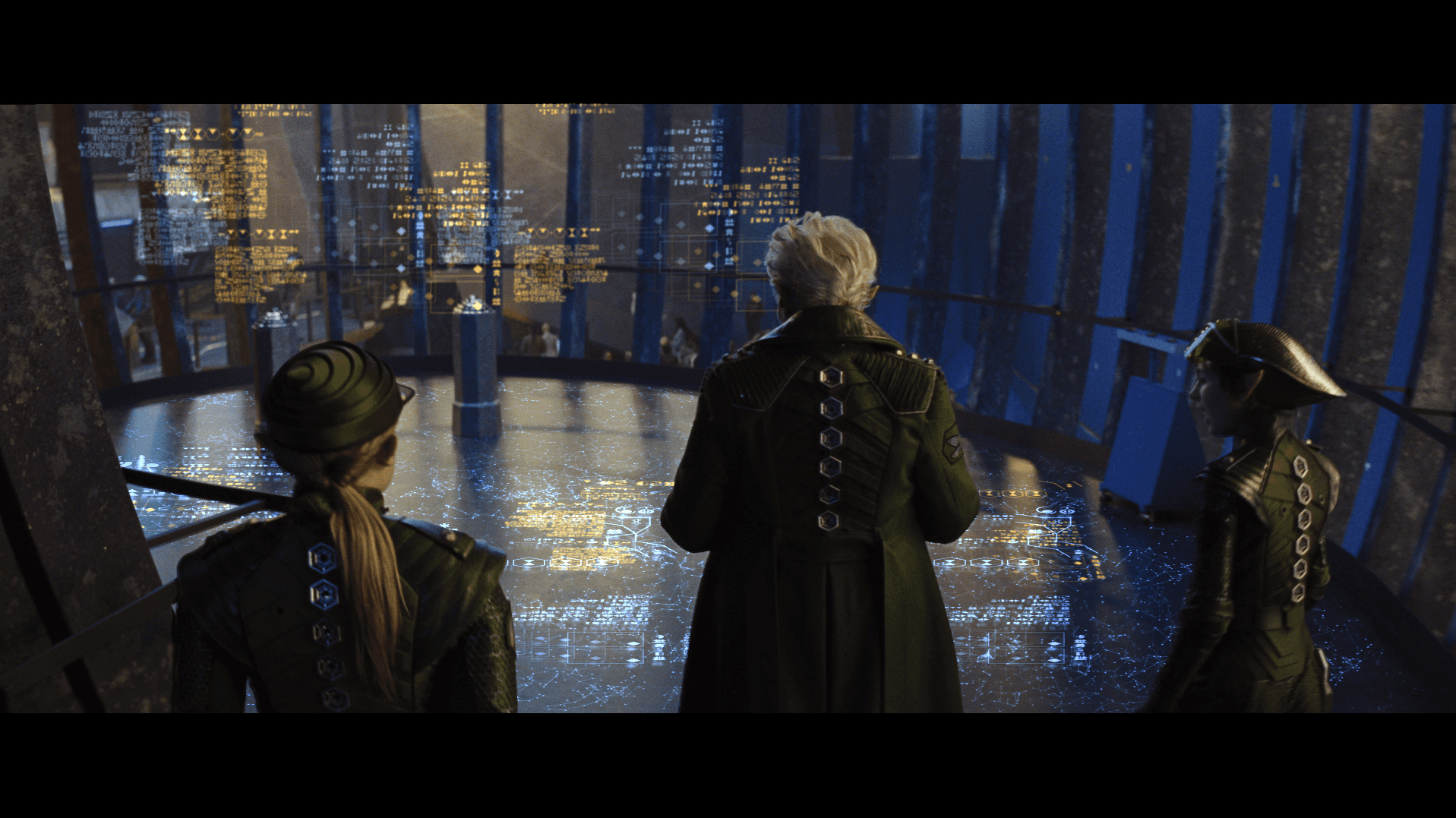
The most exciting part of the project came from exploring how these systems could move beyond traditional screens into more immersive visual layers. In addition to designing monitor-based interfaces, I worked on conceptual VFX directions that imagined how data, systems, and interactions could be visualised in more dynamic and spatial ways.
These concepts included layered visual elements that could exist in depth, using motion and transparency to represent multiple streams of information simultaneously. The intention was to create a sense of intelligence and complexity, where the technology felt alive and constantly processing data.
This phase allowed for a high degree of creative direction, defining not just how interfaces looked but how they behaved—how information appeared, transitioned, and responded to interaction. It was an opportunity to think about UX at a conceptual level, where systems were not limited by physical constraints but instead driven by narrative and visual storytelling.
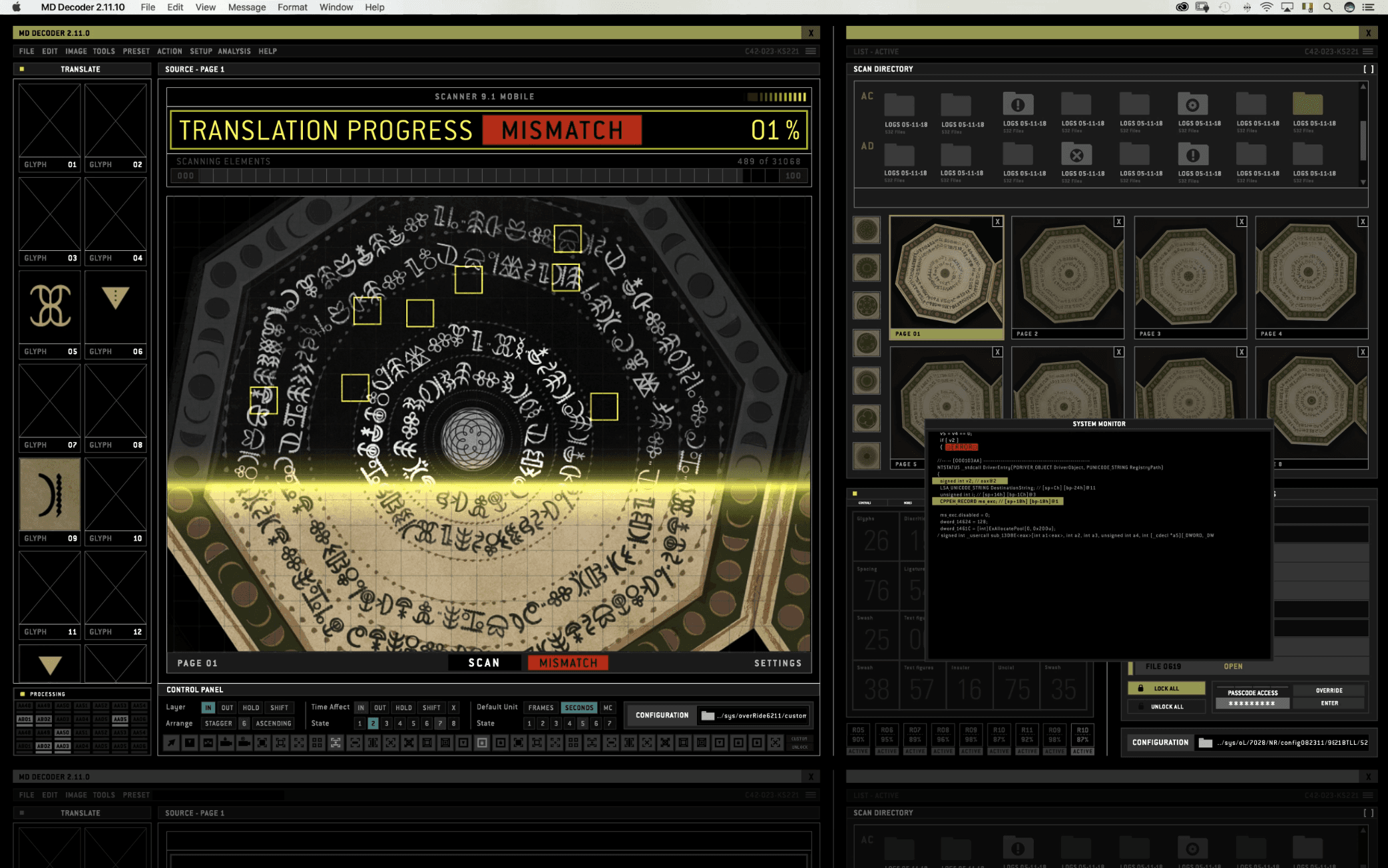
At the same time, the monitor-based systems were refined into clear, structured interfaces that could be used within the film. These designs needed to support specific scenes and communicate information effectively, ensuring they could be integrated into the final production.
The most exciting part of the project came from exploring how these systems could move beyond traditional screens into more immersive visual layers. In addition to designing monitor-based interfaces, I worked on conceptual VFX directions that imagined how data, systems, and interactions could be visualised in more dynamic and spatial ways.
These concepts included layered visual elements that could exist in depth, using motion and transparency to represent multiple streams of information simultaneously. The intention was to create a sense of intelligence and complexity, where the technology felt alive and constantly processing data.
This phase allowed for a high degree of creative direction, defining not just how interfaces looked but how they behaved—how information appeared, transitioned, and responded to interaction. It was an opportunity to think about UX at a conceptual level, where systems were not limited by physical constraints but instead driven by narrative and visual storytelling.
At the same time, the monitor-based systems were refined into clear, structured interfaces that could be used within the film. These designs needed to support specific scenes and communicate information effectively, ensuring they could be integrated into the final production.
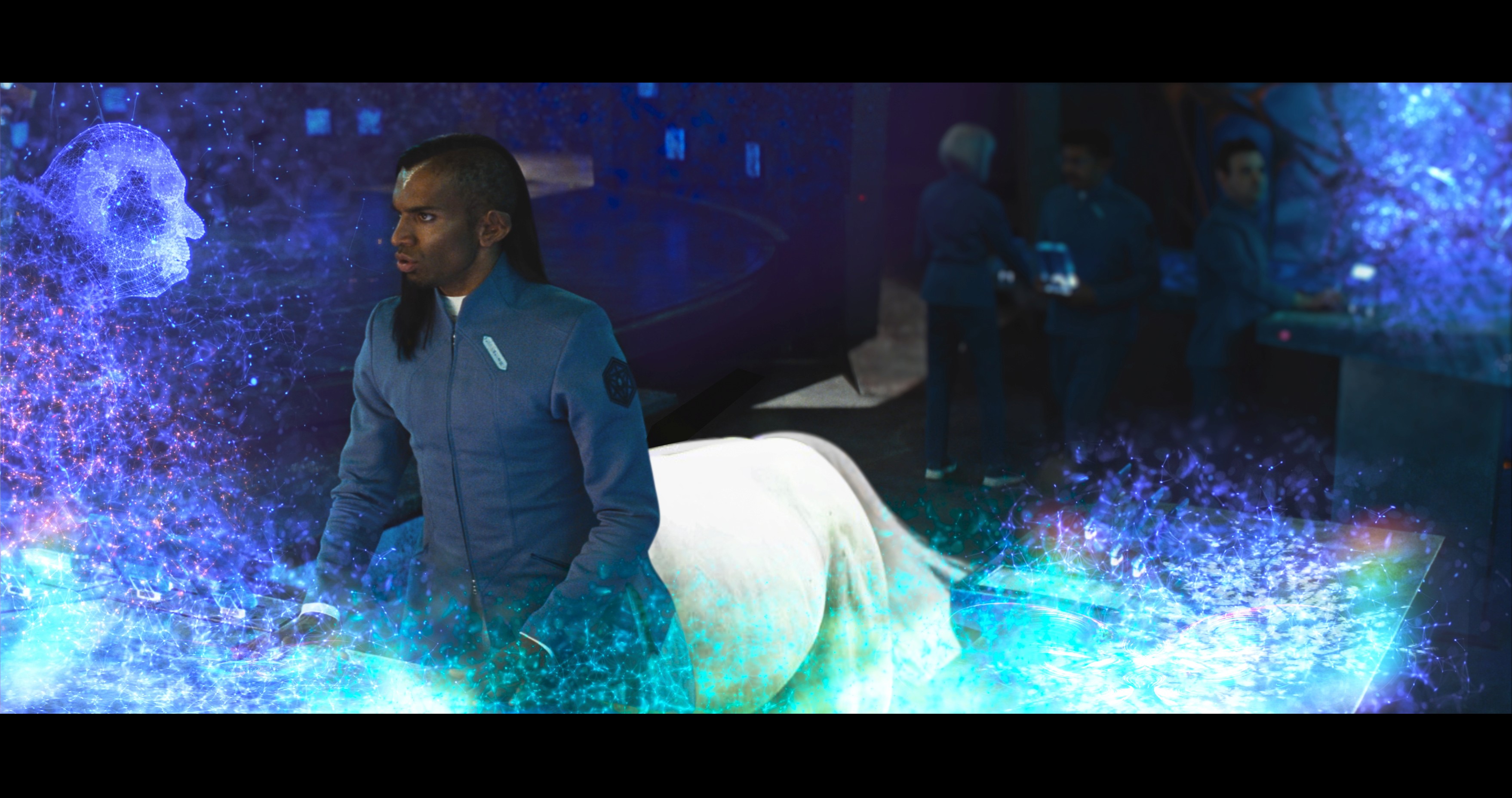
As the project moved further into production, practical constraints began to shape what could be realised on screen. While the monitor-based UI systems were successfully implemented into the film, many of the more advanced VFX layer concepts did not make it into the final cut due to budget limitations.
This is a common reality in film production, where concept work often pushes beyond what is feasible within time and cost constraints. Despite this, the exploratory phase played an important role in defining the direction of the technology and influencing the systems that were ultimately delivered.
The final interfaces retained the core visual language developed during the concept phase, ensuring consistency and coherence across the systems that appeared in the film. Even though some of the more ambitious ideas were not fully realised, they contributed to the overall design thinking and helped shape the final outcome.
As the project moved further into production, practical constraints began to shape what could be realised on screen. While the monitor-based UI systems were successfully implemented into the film, many of the more advanced VFX layer concepts did not make it into the final cut due to budget limitations.
This is a common reality in film production, where concept work often pushes beyond what is feasible within time and cost constraints. Despite this, the exploratory phase played an important role in defining the direction of the technology and influencing the systems that were ultimately delivered.
The final interfaces retained the core visual language developed during the concept phase, ensuring consistency and coherence across the systems that appeared in the film. Even though some of the more ambitious ideas were not fully realised, they contributed to the overall design thinking and helped shape the final outcome.
Conclusion
Conclusion
The Artemis Fowl project provided an opportunity to explore UX and UI design within a highly imaginative and unconstrained environment. Working in the concept phase allowed for greater creative freedom, enabling the exploration of how fantastical technology could be visualised and experienced.
The project highlighted the importance of balancing creativity with clarity, ensuring that even the most advanced or abstract systems remain understandable to audiences. It also reinforced the role of concept design in shaping the direction of cinematic technology, even when not all ideas make it into final production.
By contributing to both interface design and VFX ideation, the work helped define a cohesive visual language for the film’s technological world while demonstrating how UX principles can be applied in highly creative contexts.
The Artemis Fowl project provided an opportunity to explore UX and UI design within a highly imaginative and unconstrained environment. Working in the concept phase allowed for greater creative freedom, enabling the exploration of how fantastical technology could be visualised and experienced.
The project highlighted the importance of balancing creativity with clarity, ensuring that even the most advanced or abstract systems remain understandable to audiences. It also reinforced the role of concept design in shaping the direction of cinematic technology, even when not all ideas make it into final production.
By contributing to both interface design and VFX ideation, the work helped define a cohesive visual language for the film’s technological world while demonstrating how UX principles can be applied in highly creative contexts.
Takeaways
Takeaways
Concept phases allow for deeper creative exploration.
Early-stage design enables teams to explore ideas beyond technical or budget constraints.Not all ideas make it to production—but they still matter.
Concept work plays a key role in shaping final outcomes, even if some elements are not realised.Fantasy UX still requires clarity and structure.
Even imaginative systems must communicate information clearly to audiences.UX can extend beyond screens into visual storytelling.
Exploring VFX layers and motion expands how interfaces can be experienced in film.Creative direction is as important as execution.
Defining how systems behave and feel is just as critical as designing how they look.
Concept phases allow for deeper creative exploration.
Early-stage design enables teams to explore ideas beyond technical or budget constraints.Not all ideas make it to production—but they still matter.
Concept work plays a key role in shaping final outcomes, even if some elements are not realised.Fantasy UX still requires clarity and structure.
Even imaginative systems must communicate information clearly to audiences.UX can extend beyond screens into visual storytelling.
Exploring VFX layers and motion expands how interfaces can be experienced in film.Creative direction is as important as execution.
Defining how systems behave and feel is just as critical as designing how they look.
Final
Final
More Work