Automotive Showcases
Automotive Showcases
Client: Various
Agency: London Design Agency / Personal
Role: Design Director
Teams: Leadership team, 1 Designer
Duration: 3 months
Goal: Marketing quality image creation
Outcome: 3D imagery using professional lighting and material techniques
Client: Various
Agency: London Design Agency / Personal
Role: Design Director
Teams: Leadership team, 1 Designer
Duration: 3 months
Goal: Marketing quality image creation
Outcome: 3D imagery using professional lighting and material techniques
Project Introduction
Project Introduction
Automotive visualisation sits at the intersection of design, storytelling, and technical precision. Creating compelling imagery for high-performance vehicles requires more than accurate modelling—it demands a deep understanding of materials, lighting, and how surfaces interact with their environment. Every reflection, highlight, and shadow contributes to how a vehicle is perceived, shaping both its aesthetic and emotional impact.
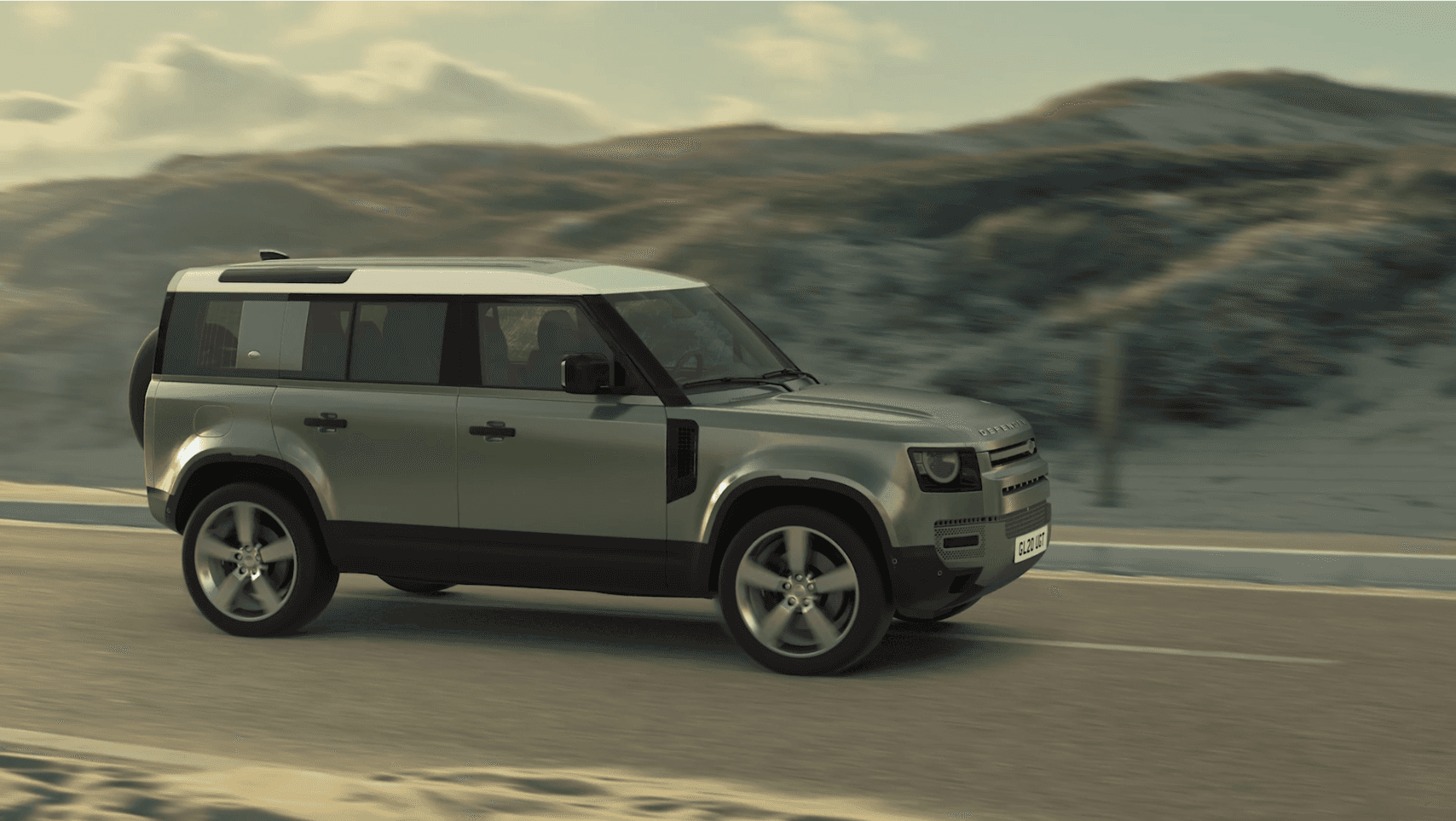
Across a series of projects, I worked on automotive imagery spanning both commercial briefs and personal studies. Commercial work included creating social media visuals for vehicles such as the Audi RS3, as well as imagery for the Volvo XC90 and the Land Rover Discovery through London Design Agency. Alongside this, I developed personal studies focused on high-performance and aspirational vehicles, including the Nissan GT-R, Porsche 911 GT3 RS, McLaren 540C and the Lamborghini Aventador.
The goal across all of this work was to refine the ability to create visually striking, realistic imagery while improving technical skills in lighting, material creation, and environmental design.
Automotive visualisation sits at the intersection of design, storytelling, and technical precision. Creating compelling imagery for high-performance vehicles requires more than accurate modelling—it demands a deep understanding of materials, lighting, and how surfaces interact with their environment. Every reflection, highlight, and shadow contributes to how a vehicle is perceived, shaping both its aesthetic and emotional impact.
Across a series of projects, I worked on automotive imagery spanning both commercial briefs and personal studies. Commercial work included creating social media visuals for vehicles such as the Audi RS3, as well as imagery for the Volvo XC90 and the Land Rover Discovery through London Design Agency. Alongside this, I developed personal studies focused on high-performance and aspirational vehicles, including the Nissan GT-R, Porsche 911 GT3 RS, McLaren 540C and the Lamborghini Aventador.
The goal across all of this work was to refine the ability to create visually striking, realistic imagery while improving technical skills in lighting, material creation, and environmental design.
Project Story
Project Story
At the beginning of these projects, the challenge was to balance visual realism with creative direction. Automotive renders need to accurately represent the design of the vehicle while also elevating it through lighting and composition. Early work focused on understanding how materials behaved—particularly paint finishes, metallic surfaces, glass, and interior textures—and how these elements responded to different lighting conditions.
Commercial projects required a clear alignment with brand identity. For vehicles like the Audi RS3, the imagery needed to communicate performance, precision, and modern design. This meant using controlled lighting setups, strong contrasts, and clean environments that emphasised the sharp lines and aggressive stance of the vehicle.
For Volvo and Land Rover, the approach shifted toward a more refined and lifestyle-oriented aesthetic. These vehicles required imagery that communicated luxury, reliability, and environmental context, often placing greater emphasis on natural lighting and surrounding environments.
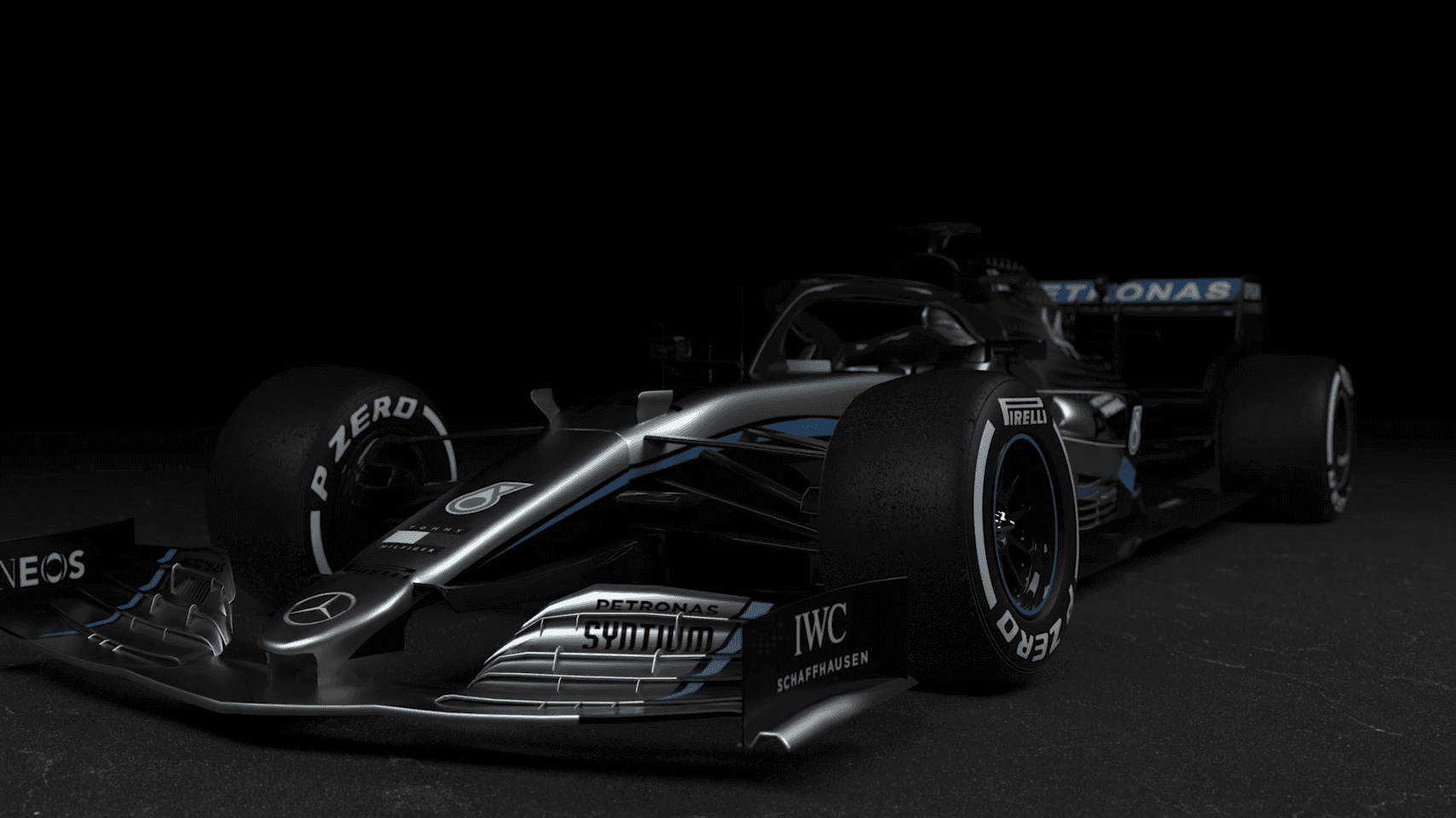
Alongside commercial work, personal studies became an important part of the process. These projects allowed for experimentation with more dramatic lighting, exaggerated reflections, and dynamic compositions, helping push beyond the constraints of client work.
A key area of development during this phase was understanding how lighting environments influenced the perception of form. Small changes in light direction or intensity could dramatically alter how surfaces were read, making lighting one of the most critical aspects of the process.
At the beginning of these projects, the challenge was to balance visual realism with creative direction. Automotive renders need to accurately represent the design of the vehicle while also elevating it through lighting and composition. Early work focused on understanding how materials behaved—particularly paint finishes, metallic surfaces, glass, and interior textures—and how these elements responded to different lighting conditions.
Commercial projects required a clear alignment with brand identity. For vehicles like the Audi RS3, the imagery needed to communicate performance, precision, and modern design. This meant using controlled lighting setups, strong contrasts, and clean environments that emphasised the sharp lines and aggressive stance of the vehicle.
For Volvo and Land Rover, the approach shifted toward a more refined and lifestyle-oriented aesthetic. These vehicles required imagery that communicated luxury, reliability, and environmental context, often placing greater emphasis on natural lighting and surrounding environments.
Alongside commercial work, personal studies became an important part of the process. These projects allowed for experimentation with more dramatic lighting, exaggerated reflections, and dynamic compositions, helping push beyond the constraints of client work.
A key area of development during this phase was understanding how lighting environments influenced the perception of form. Small changes in light direction or intensity could dramatically alter how surfaces were read, making lighting one of the most critical aspects of the process.
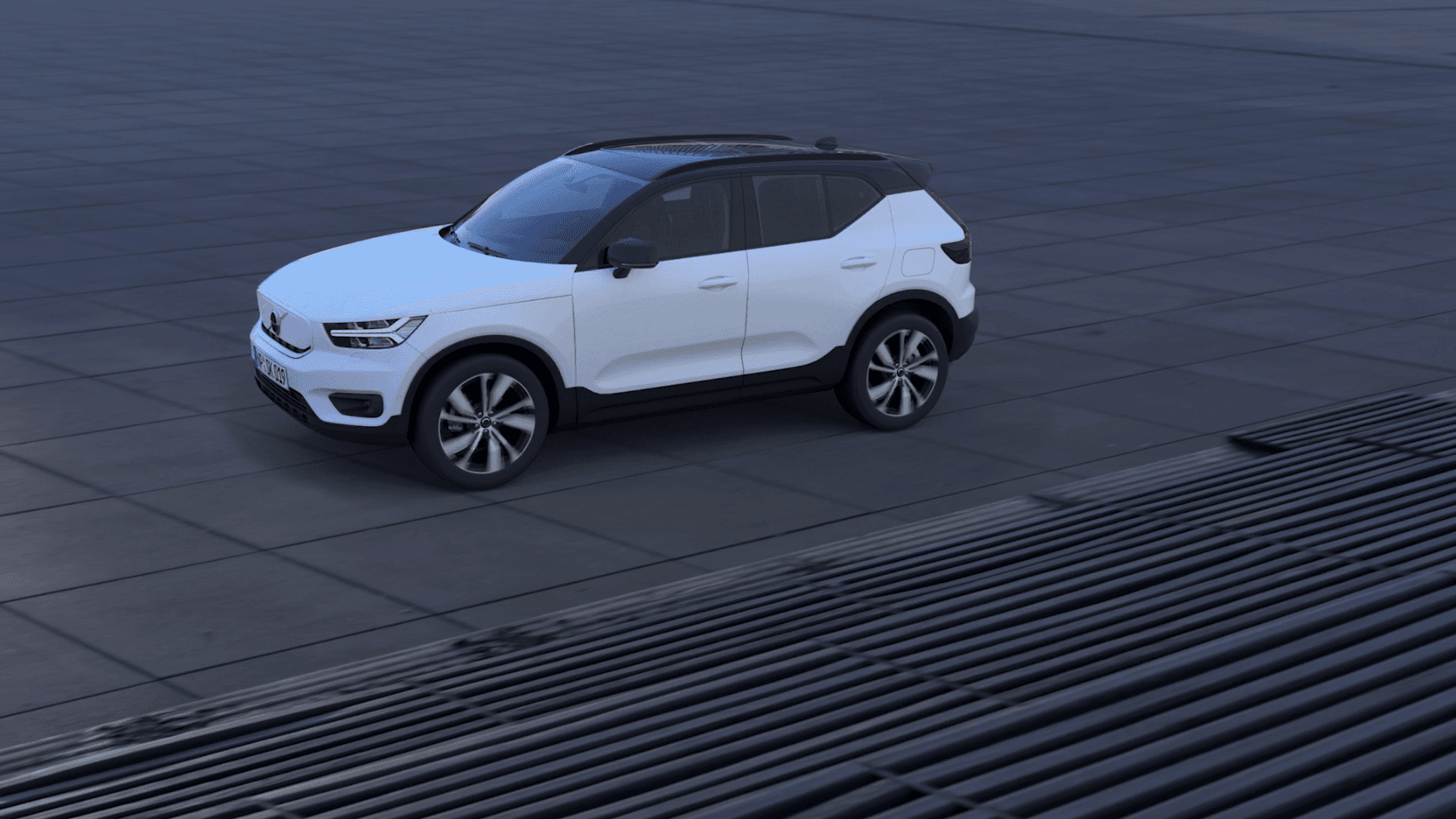
The turning point in the work came with a deeper focus on HDRI environment creation and lighting control. Rather than relying solely on pre-existing lighting setups, I began building custom HDRI scenes that allowed for more precise control over reflections, highlights, and overall atmosphere.
This shift enabled a much higher level of realism and consistency across renders. By designing the environment in which the vehicle existed—even if that environment was not directly visible—it became possible to control how light interacted with every surface of the car. Reflections became more intentional, highlights more defined, and materials more believable.
At the same time, material work became more refined. Subtle adjustments to roughness, reflectivity, and surface detail helped create more realistic finishes, particularly for automotive paint and metallic surfaces. These refinements allowed the vehicles to feel more grounded and physically accurate, while still maintaining a strong visual impact.
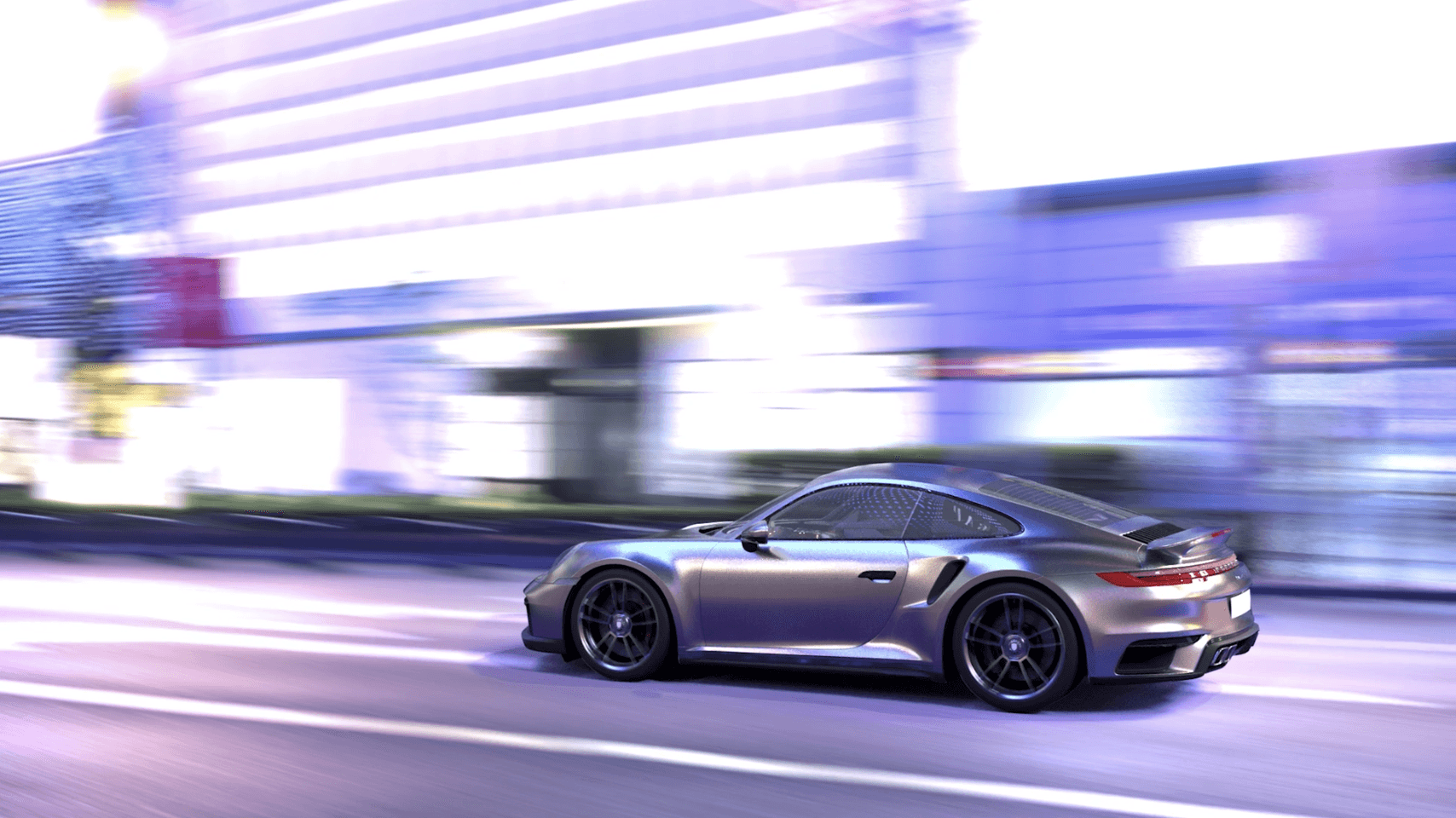
For personal studies, this level of control opened up new creative possibilities. Vehicles such as the Nissan GT-R and Porsche GT3 RS were explored in more stylised environments, using dramatic lighting and composition to emphasise performance and form. These projects allowed for experimentation with cinematic lighting techniques that could later inform commercial work.
Through this process, the work evolved from simple renders into carefully constructed visual scenes where lighting, material, and composition worked together to create a cohesive image.
The turning point in the work came with a deeper focus on HDRI environment creation and lighting control. Rather than relying solely on pre-existing lighting setups, I began building custom HDRI scenes that allowed for more precise control over reflections, highlights, and overall atmosphere.
This shift enabled a much higher level of realism and consistency across renders. By designing the environment in which the vehicle existed—even if that environment was not directly visible—it became possible to control how light interacted with every surface of the car. Reflections became more intentional, highlights more defined, and materials more believable.
At the same time, material work became more refined. Subtle adjustments to roughness, reflectivity, and surface detail helped create more realistic finishes, particularly for automotive paint and metallic surfaces. These refinements allowed the vehicles to feel more grounded and physically accurate, while still maintaining a strong visual impact.
For personal studies, this level of control opened up new creative possibilities. Vehicles such as the Nissan GT-R and Porsche GT3 RS were explored in more stylised environments, using dramatic lighting and composition to emphasise performance and form. These projects allowed for experimentation with cinematic lighting techniques that could later inform commercial work.
Through this process, the work evolved from simple renders into carefully constructed visual scenes where lighting, material, and composition worked together to create a cohesive image.
As these techniques became more refined, the overall quality and consistency of the imagery improved significantly. Commercial work benefited from more controlled lighting and material accuracy, resulting in visuals that aligned more closely with brand expectations while still standing out visually.
The ability to create custom HDRI environments allowed for faster iteration and more predictable results, reducing the trial-and-error often associated with lighting automotive scenes. This also made it easier to adapt visuals for different use cases, from social media content to more polished marketing imagery.
Personal studies continued to play an important role, acting as a testing ground for new techniques and ideas. By experimenting outside of client constraints, it was possible to push the visual style further and bring those learnings back into commercial work.
The combination of structured client work and exploratory personal projects created a feedback loop that accelerated skill development and improved the overall quality of output.
As these techniques became more refined, the overall quality and consistency of the imagery improved significantly. Commercial work benefited from more controlled lighting and material accuracy, resulting in visuals that aligned more closely with brand expectations while still standing out visually.
The ability to create custom HDRI environments allowed for faster iteration and more predictable results, reducing the trial-and-error often associated with lighting automotive scenes. This also made it easier to adapt visuals for different use cases, from social media content to more polished marketing imagery.
Personal studies continued to play an important role, acting as a testing ground for new techniques and ideas. By experimenting outside of client constraints, it was possible to push the visual style further and bring those learnings back into commercial work.
The combination of structured client work and exploratory personal projects created a feedback loop that accelerated skill development and improved the overall quality of output.
Conclusion
Conclusion
The automotive imagery work demonstrated how technical skill and creative direction must work together to produce compelling visuals. By focusing on lighting, materials, and environment design, it was possible to elevate both commercial and personal work, creating images that felt both realistic and visually engaging.
The progression from basic lighting setups to fully controlled HDRI environments marked a significant improvement in quality and consistency, while personal studies provided the space to explore more expressive and cinematic approaches.
Ultimately, the work highlighted how attention to detail—particularly in light and material—can transform automotive renders into powerful visual experiences that communicate both design and emotion.
The automotive imagery work demonstrated how technical skill and creative direction must work together to produce compelling visuals. By focusing on lighting, materials, and environment design, it was possible to elevate both commercial and personal work, creating images that felt both realistic and visually engaging.
The progression from basic lighting setups to fully controlled HDRI environments marked a significant improvement in quality and consistency, while personal studies provided the space to explore more expressive and cinematic approaches.
Ultimately, the work highlighted how attention to detail—particularly in light and material—can transform automotive renders into powerful visual experiences that communicate both design and emotion.
Takeaways
Takeaways
Lighting is the most critical factor in automotive visualisation.
Small changes in lighting dramatically affect how form and materials are perceived.Custom HDRI environments provide greater control and consistency.
Designing lighting environments allows for more intentional reflections and highlights.Material accuracy enhances realism.
Fine-tuning surface properties is essential for believable automotive finishes.Personal projects accelerate skill development.
Experimentation outside of client work helps push creative and technical boundaries.Balancing realism and creativity is key.
Strong automotive imagery requires both technical precision and artistic direction.
Lighting is the most critical factor in automotive visualisation.
Small changes in lighting dramatically affect how form and materials are perceived.Custom HDRI environments provide greater control and consistency.
Designing lighting environments allows for more intentional reflections and highlights.Material accuracy enhances realism.
Fine-tuning surface properties is essential for believable automotive finishes.Personal projects accelerate skill development.
Experimentation outside of client work helps push creative and technical boundaries.Balancing realism and creativity is key.
Strong automotive imagery requires both technical precision and artistic direction.
Final
Final
More Work