
Call of Duty: World at War
Call of Duty: World at War
Client: Activision
Agency: Spov/Keywords
Role: Senior Motion Designer
Teams: Leadership team, 3 Designers
Duration: 12 months
Goal: HUD design, system UX, game flows, camera direction
Outcome: Successfully implemented Heads-up display, Autolog system UX, gameplay flows, cinematic camera behaviours
Client: Activision
Agency: Spov/Keywords
Role: Senior Motion Designer
Teams: Leadership team, 3 Designers
Duration: 12 months
Goal: HUD design, system UX, game flows, camera direction
Outcome: Successfully implemented Heads-up display, Autolog system UX, gameplay flows, cinematic camera behaviours
Project Introduction
Project Introduction
Cinematic sequences in large-scale games require a balance between visual quality, consistency, and production efficiency. In Call of Duty: World at War, the need to deliver impactful storytelling moments placed increasing pressure on production pipelines, particularly when working within a small team.
My role on the project focused on creating systems within Cinema 4D (C4D) that would enable the team to produce complex cinematic sequences more efficiently and consistently. Rather than approaching each sequence as an isolated piece of work, the goal was to establish a framework that could be reused across multiple outputs, reducing manual setup and improving overall quality.
The challenge was to design tools and workflows that allowed artists to create high-quality cinematic content quickly, without sacrificing visual consistency.
Cinematic sequences in large-scale games require a balance between visual quality, consistency, and production efficiency. In Call of Duty: World at War, the need to deliver impactful storytelling moments placed increasing pressure on production pipelines, particularly when working within a small team.
My role on the project focused on creating systems within Cinema 4D (C4D) that would enable the team to produce complex cinematic sequences more efficiently and consistently. Rather than approaching each sequence as an isolated piece of work, the goal was to establish a framework that could be reused across multiple outputs, reducing manual setup and improving overall quality.
The challenge was to design tools and workflows that allowed artists to create high-quality cinematic content quickly, without sacrificing visual consistency.
Project Story
Project Story
At the start of the project, cinematic production relied heavily on manual setup. Camera positioning, render settings, and scene configurations were often built from scratch for each sequence, leading to inconsistencies in output and increased production time.
This approach made it difficult for a small team to scale output effectively. Each new sequence required significant setup work before creative decisions could even begin, slowing down iteration and introducing variability in visual quality.
The opportunity was to create a structured system of reusable tools that could standardise how cinematics were produced. This meant defining not just how scenes looked, but how they were built—establishing consistent camera behaviour, render configurations, and scene structures.
The focus quickly turned to camera rigs and render workflows, as these were the foundation of every cinematic sequence. By standardising these elements, it would be possible to reduce setup time and ensure consistent results across all outputs.
At the start of the project, cinematic production relied heavily on manual setup. Camera positioning, render settings, and scene configurations were often built from scratch for each sequence, leading to inconsistencies in output and increased production time.
This approach made it difficult for a small team to scale output effectively. Each new sequence required significant setup work before creative decisions could even begin, slowing down iteration and introducing variability in visual quality.
The opportunity was to create a structured system of reusable tools that could standardise how cinematics were produced. This meant defining not just how scenes looked, but how they were built—establishing consistent camera behaviour, render configurations, and scene structures.
The focus quickly turned to camera rigs and render workflows, as these were the foundation of every cinematic sequence. By standardising these elements, it would be possible to reduce setup time and ensure consistent results across all outputs.
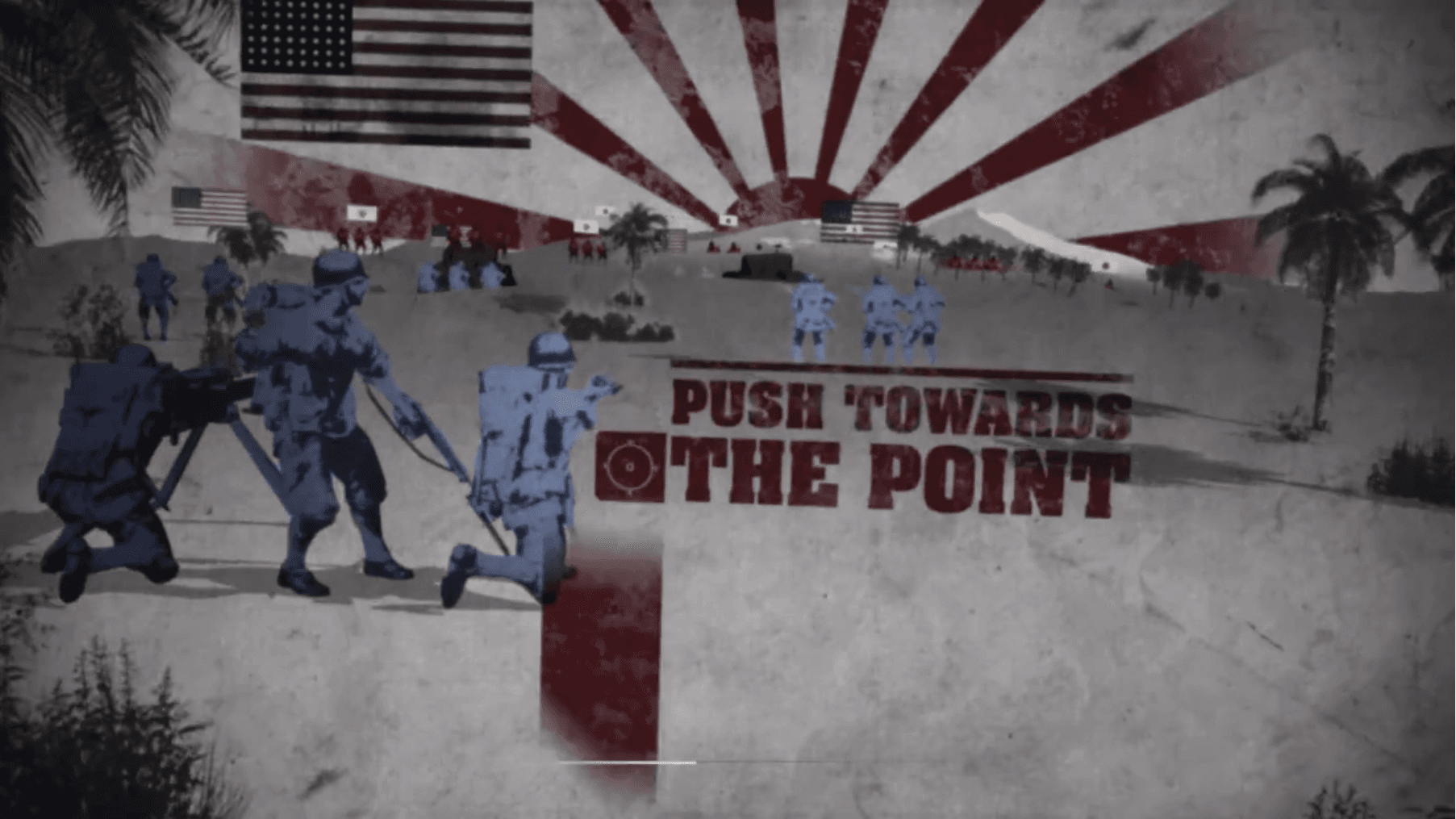
The turning point in the project came with the development of custom camera rigs and render pipelines within C4D. These systems provided a consistent foundation for all cinematic work, allowing artists to focus on composition and storytelling rather than technical setup.
The camera rigs were designed to simplify complex movements, enabling users to create dynamic shots with greater control and less effort. By encapsulating common behaviours into reusable setups, the rigs allowed for more cinematic results while reducing the need for manual adjustments.
Alongside this, render workflows and presets were established to ensure consistency in lighting, output quality, and visual style. Artists could work within a predefined structure, knowing that their output would align with the overall look of the game.
These systems effectively transformed the workflow from a manual, time-intensive process into a more streamlined and scalable pipeline. Complex sequences that would previously have required significant setup could now be created more quickly and with greater consistency.
This shift also enabled the small team to take on a larger volume of work, supporting the production needs of the project without compromising quality. Showing this level of technical skill allowed the additional contract of the next game to get agreed.
The turning point in the project came with the development of custom camera rigs and render pipelines within C4D. These systems provided a consistent foundation for all cinematic work, allowing artists to focus on composition and storytelling rather than technical setup.
The camera rigs were designed to simplify complex movements, enabling users to create dynamic shots with greater control and less effort. By encapsulating common behaviours into reusable setups, the rigs allowed for more cinematic results while reducing the need for manual adjustments.
Alongside this, render workflows and presets were established to ensure consistency in lighting, output quality, and visual style. Artists could work within a predefined structure, knowing that their output would align with the overall look of the game.
These systems effectively transformed the workflow from a manual, time-intensive process into a more streamlined and scalable pipeline. Complex sequences that would previously have required significant setup could now be created more quickly and with greater consistency.
This shift also enabled the small team to take on a larger volume of work, supporting the production needs of the project without compromising quality. Showing this level of technical skill allowed the additional contract of the next game to get agreed.
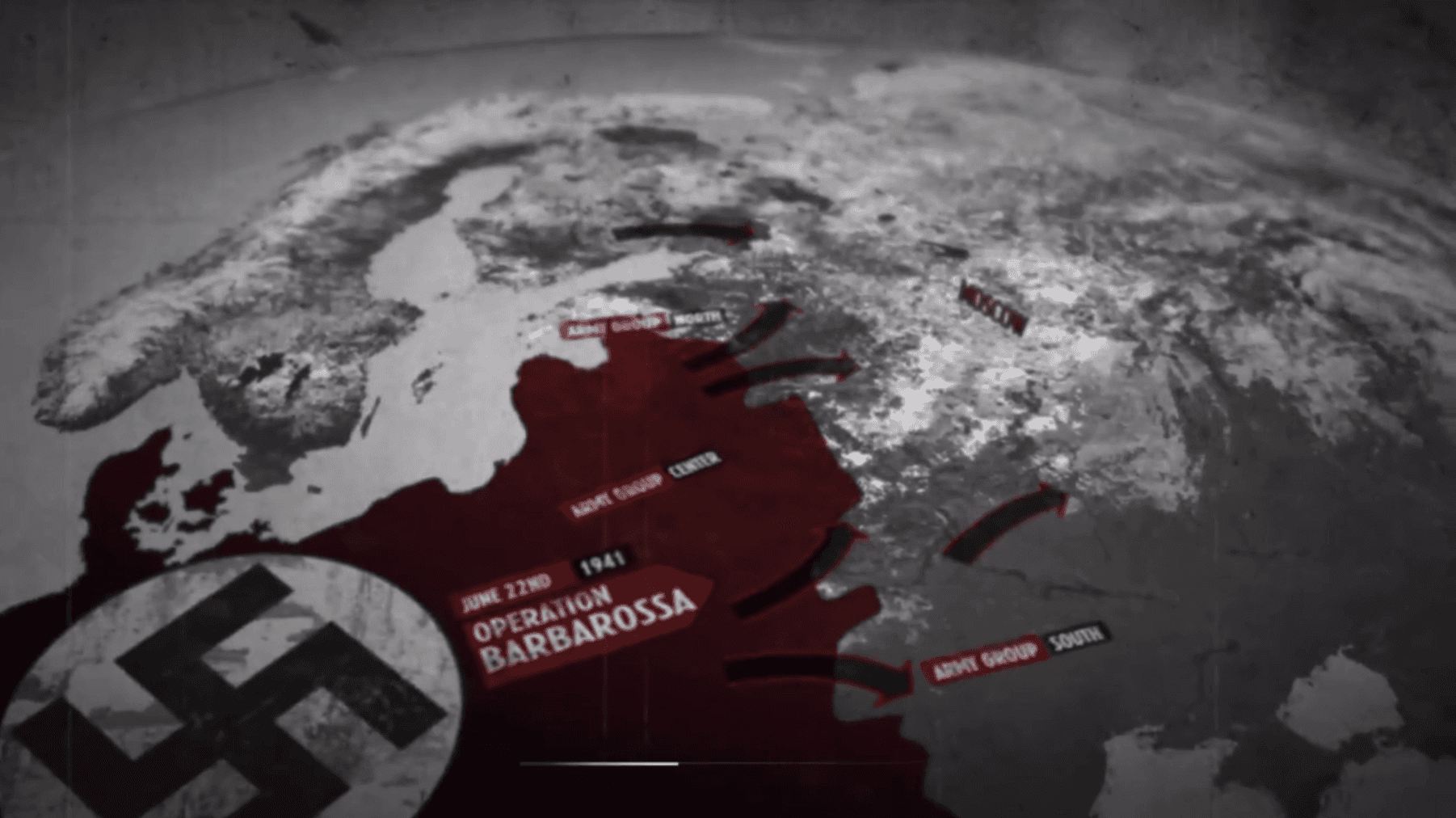
As the systems were adopted, the impact on production became clear. The team was able to create cinematic sequences more efficiently, with a higher level of consistency across outputs. Artists could focus on creative decisions—composition, timing, and storytelling—rather than technical setup.
The scalability of the system also became evident as the workflows were later carried forward into Call of Duty: Modern Warfare 2, where they continued to support cinematic production. This demonstrated that the approach was not just effective for a single project, but robust enough to be reused across multiple titles.
For a small team, this level of efficiency was critical. It allowed for the production of high-quality cinematic content across two major games, reinforcing the value of investing in systems and tools rather than relying solely on manual processes.
As the systems were adopted, the impact on production became clear. The team was able to create cinematic sequences more efficiently, with a higher level of consistency across outputs. Artists could focus on creative decisions—composition, timing, and storytelling—rather than technical setup.
The scalability of the system also became evident as the workflows were later carried forward into Call of Duty: Modern Warfare 2, where they continued to support cinematic production. This demonstrated that the approach was not just effective for a single project, but robust enough to be reused across multiple titles.
For a small team, this level of efficiency was critical. It allowed for the production of high-quality cinematic content across two major games, reinforcing the value of investing in systems and tools rather than relying solely on manual processes.
Conclusion
Conclusion
The Call of Duty: World at War project demonstrated how system design can transform production workflows. By creating reusable camera rigs and render pipelines, the project enabled a small team to produce high-quality cinematic sequences efficiently and consistently.
The work highlighted the importance of thinking beyond individual assets and focusing on the systems that support their creation. By standardising key elements of the workflow, it was possible to reduce friction, improve quality, and scale output across multiple projects.
Ultimately, the project showed that strong design is not just about what is created, but about enabling others to create more effectively.
The Call of Duty: World at War project demonstrated how system design can transform production workflows. By creating reusable camera rigs and render pipelines, the project enabled a small team to produce high-quality cinematic sequences efficiently and consistently.
The work highlighted the importance of thinking beyond individual assets and focusing on the systems that support their creation. By standardising key elements of the workflow, it was possible to reduce friction, improve quality, and scale output across multiple projects.
Ultimately, the project showed that strong design is not just about what is created, but about enabling others to create more effectively.
Takeaways
Takeaways
Pipeline design enables scalable production.
Structured systems allow teams to work efficiently while maintaining consistency.Reusable assets improve both speed and quality.
Templates and presets reduce repetition and ensure cohesive output.Hero elements define visual identity.
Key assets such as logos and motion sequences set the tone for the experience.Balancing systems and creativity is essential.
Strong technical foundations support more effective creative work.Working on major franchises requires precision and alignment.
Designs must meet high expectations while staying true to established worlds.
Pipeline design enables scalable production.
Structured systems allow teams to work efficiently while maintaining consistency.Reusable assets improve both speed and quality.
Templates and presets reduce repetition and ensure cohesive output.Hero elements define visual identity.
Key assets such as logos and motion sequences set the tone for the experience.Balancing systems and creativity is essential.
Strong technical foundations support more effective creative work.Working on major franchises requires precision and alignment.
Designs must meet high expectations while staying true to established worlds.
Final
Final
More Work