Automated Defence Drone Systems
Automated Defence Drone Systems
Client: General Atomics
Agency: UX Magicians
Role: Lead Product Designer
Teams: Europe team - 3 people, US team - 4 people
Duration: 12 months
Goal: Build a fictitious scenario that can show how we can use AI intelligently to automate complex systems.
Outcome: A successful researched design sequence showing a viable system.
Focus: Direction, Product Design, Research, UX, UI, Prototyping, Motion Design, 2D, 3D Animation
Client: General Atomics
Agency: UX Magicians
Role: Lead Product Designer
Teams: Europe team - 3 people, US team - 4 people
Duration: 12 months
Goal: Build a fictitious scenario that can show how we can use AI intelligently to automate complex systems.
Outcome: A successful researched design sequence showing a viable system.
Focus: Direction, Product Design, Research, UX, UI, Prototyping, Motion Design, 2D, 3D Animation
Project Introduction
Project Introduction
Unmanned aerial systems are becoming increasingly capable, but operating them remains a highly complex task. Even routine drone missions often require multiple operators to manage flight paths, monitor sensors, perform system checks and make real-time decisions based on evolving environmental conditions.
As autonomous capabilities have matured, organisations such as General Atomics Aeronautical Systems have been exploring ways to integrate artificial intelligence into drone operations in order to improve efficiency and mission effectiveness. These efforts aim to enable drones to execute complex tasks with increasing autonomy while still maintaining human oversight and decision-making authority.
The concept project focused on a key challenge in this space: how to streamline low-level drone operations using AI without removing human operators from the loop.
The goal was to prototype a system that could automate routine checks, assist with mission planning and manage many of the operational processes involved in drone deployment. At the same time, the system needed to ensure that critical decisions remained under human control and that operators could intervene immediately in the event of an emergency.
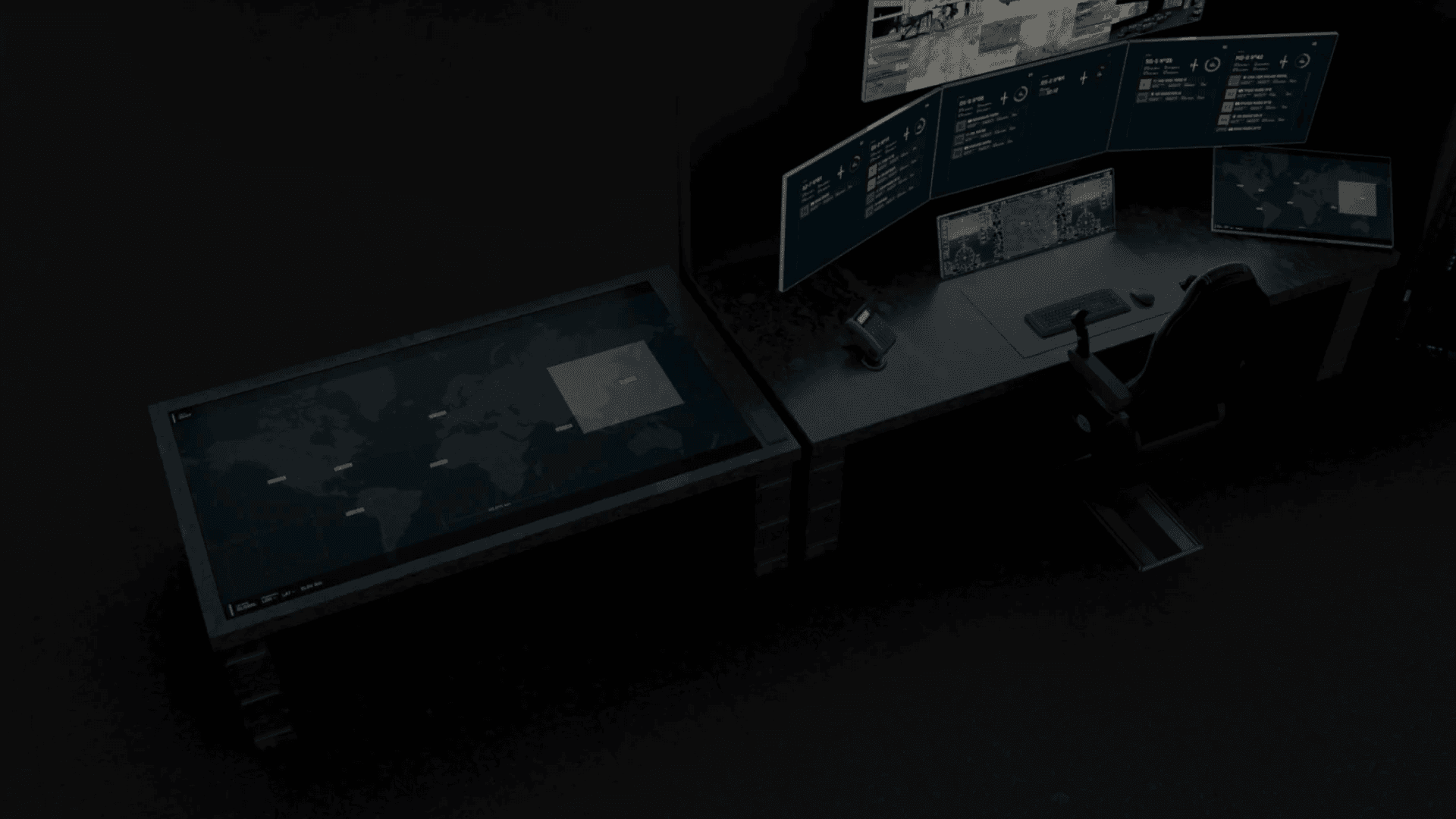
This meant designing not only a software interface powered by modern AI tools but also a hardware platform capable of supporting these capabilities in a real operational environment.
Unmanned aerial systems are becoming increasingly capable, but operating them remains a highly complex task. Even routine drone missions often require multiple operators to manage flight paths, monitor sensors, perform system checks and make real-time decisions based on evolving environmental conditions.
As autonomous capabilities have matured, organisations such as General Atomics Aeronautical Systems have been exploring ways to integrate artificial intelligence into drone operations in order to improve efficiency and mission effectiveness. These efforts aim to enable drones to execute complex tasks with increasing autonomy while still maintaining human oversight and decision-making authority.
The concept project focused on a key challenge in this space: how to streamline low-level drone operations using AI without removing human operators from the loop.
The goal was to prototype a system that could automate routine checks, assist with mission planning and manage many of the operational processes involved in drone deployment. At the same time, the system needed to ensure that critical decisions remained under human control and that operators could intervene immediately in the event of an emergency.
This meant designing not only a software interface powered by modern AI tools but also a hardware platform capable of supporting these capabilities in a real operational environment.
Project Story
Project Story
Drone operations typically involve a large number of small but critical tasks. Operators must conduct pre-flight safety checks, confirm mission parameters, monitor environmental conditions and maintain continuous awareness of the aircraft’s status.
While many of these processes are procedural, they still require careful attention. This creates a significant cognitive load for operators and increases the risk of oversight during complex missions.
Research in autonomous drone systems increasingly focuses on reducing this burden by introducing AI-assisted decision support and automated processes that allow a single operator to supervise multiple drones simultaneously.
During the early stages of the project, we examined the operational workflow of low-level drone missions and identified several areas where AI could provide meaningful assistance. Pre-flight checks were one of the first opportunities. Instead of requiring operators to manually verify dozens of system conditions, an AI-driven system could automatically assess sensor data, system health and environmental factors before launch. Mission planning presented another opportunity. By analysing terrain, airspace restrictions and operational objectives, the system could suggest flight paths and operational parameters that aligned with mission goals. Finally, monitoring and anomaly detection offered a powerful application for AI. By continuously analysing telemetry and sensor data, the system could detect potential issues earlier than a human operator might notice.
The challenge was integrating these capabilities without creating a system that removed operators totally from the decision-making process.
Drone operations typically involve a large number of small but critical tasks. Operators must conduct pre-flight safety checks, confirm mission parameters, monitor environmental conditions and maintain continuous awareness of the aircraft’s status.
While many of these processes are procedural, they still require careful attention. This creates a significant cognitive load for operators and increases the risk of oversight during complex missions.
Research in autonomous drone systems increasingly focuses on reducing this burden by introducing AI-assisted decision support and automated processes that allow a single operator to supervise multiple drones simultaneously.
During the early stages of the project, we examined the operational workflow of low-level drone missions and identified several areas where AI could provide meaningful assistance. Pre-flight checks were one of the first opportunities. Instead of requiring operators to manually verify dozens of system conditions, an AI-driven system could automatically assess sensor data, system health and environmental factors before launch. Mission planning presented another opportunity. By analysing terrain, airspace restrictions and operational objectives, the system could suggest flight paths and operational parameters that aligned with mission goals. Finally, monitoring and anomaly detection offered a powerful application for AI. By continuously analysing telemetry and sensor data, the system could detect potential issues earlier than a human operator might notice.
The challenge was integrating these capabilities without creating a system that removed operators totally from the decision-making process.
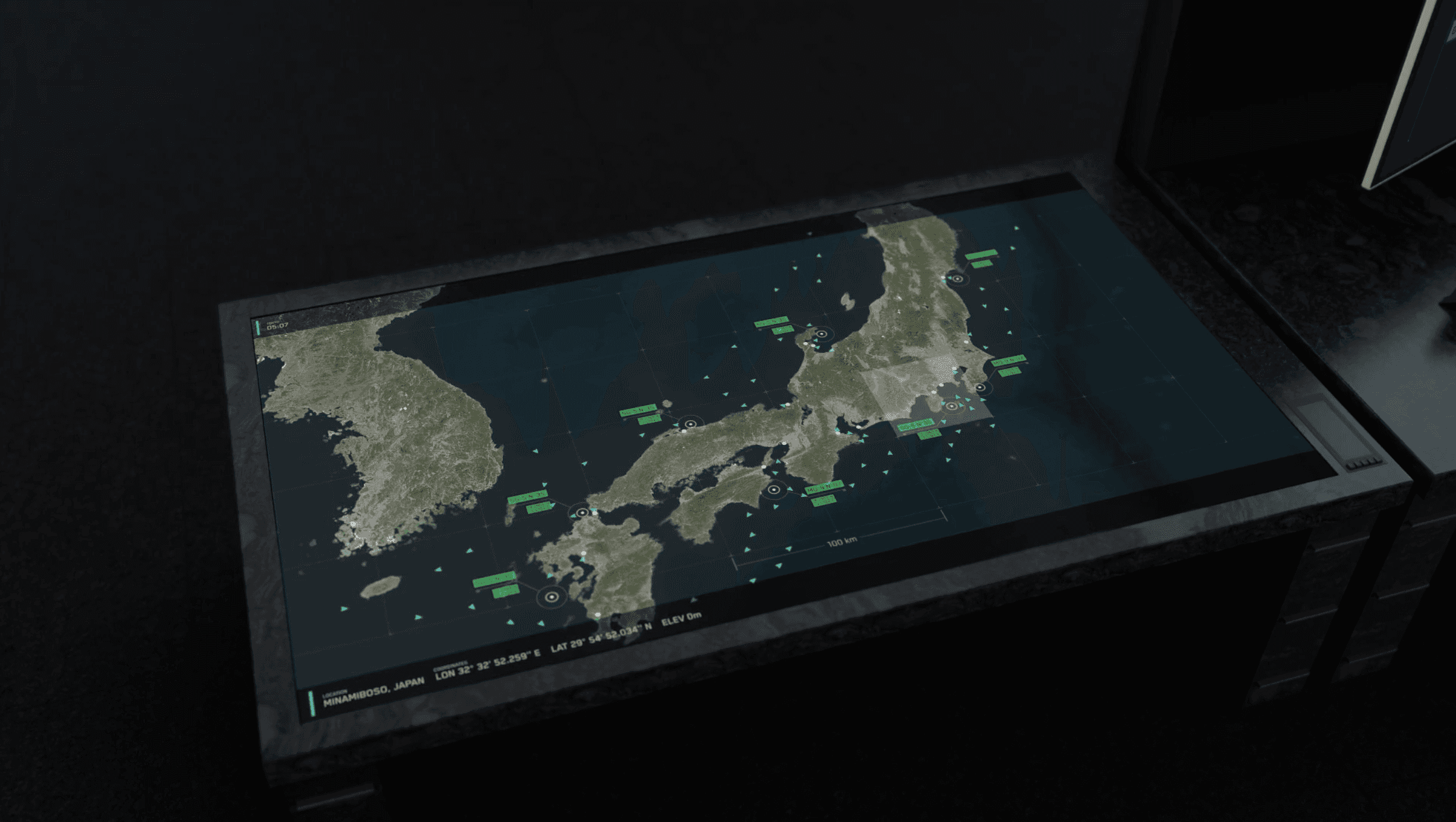
The breakthrough in the concept came when the project shifted from building an autonomous drone system to creating an AI-assisted operational platform.
Instead of replacing human operators, the AI system would function as a collaborative partner.
The platform used modern AI capabilities to analyse mission data, monitor system health, and assist with operational workflows. Routine tasks such as safety checks, system diagnostics and mission configuration could be handled automatically, allowing operators to focus on higher-level decisions.
At the centre of the concept was a hybrid control model.
The AI system could manage routine operational processes such as navigation monitoring, environmental analysis, and sensor interpretation. However, critical decisions such as mission approval, engagement actions, or emergency manoeuvres—remained under direct human control where necessary.
This design approach reflects a broader trend in advanced drone systems, where artificial intelligence can execute mission tasks while human operators retain authority over strategic decisions and mission outcomes.
Supporting this software capability required a complementary hardware platform. The prototype included a modular hardware system designed to integrate onboard computing, communications systems, and sensors capable of supporting AI-driven analysis and real-time data processing.
The result was a system in which AI handled much of the operational complexity, while human operators maintained oversight and authority.
Ineffect, the produc transformed the smartphone into a complete field-service toolkit.
The breakthrough in the concept came when the project shifted from building an autonomous drone system to creating an AI-assisted operational platform.
Instead of replacing human operators, the AI system would function as a collaborative partner.
The platform used modern AI capabilities to analyse mission data, monitor system health, and assist with operational workflows. Routine tasks such as safety checks, system diagnostics and mission configuration could be handled automatically, allowing operators to focus on higher-level decisions.
At the centre of the concept was a hybrid control model.
The AI system could manage routine operational processes such as navigation monitoring, environmental analysis, and sensor interpretation. However, critical decisions such as mission approval, engagement actions, or emergency manoeuvres—remained under direct human control where necessary.
This design approach reflects a broader trend in advanced drone systems, where artificial intelligence can execute mission tasks while human operators retain authority over strategic decisions and mission outcomes.
Supporting this software capability required a complementary hardware platform. The prototype included a modular hardware system designed to integrate onboard computing, communications systems, and sensors capable of supporting AI-driven analysis and real-time data processing.
The result was a system in which AI handled much of the operational complexity, while human operators maintained oversight and authority.
Ineffect, the produc transformed the smartphone into a complete field-service toolkit.
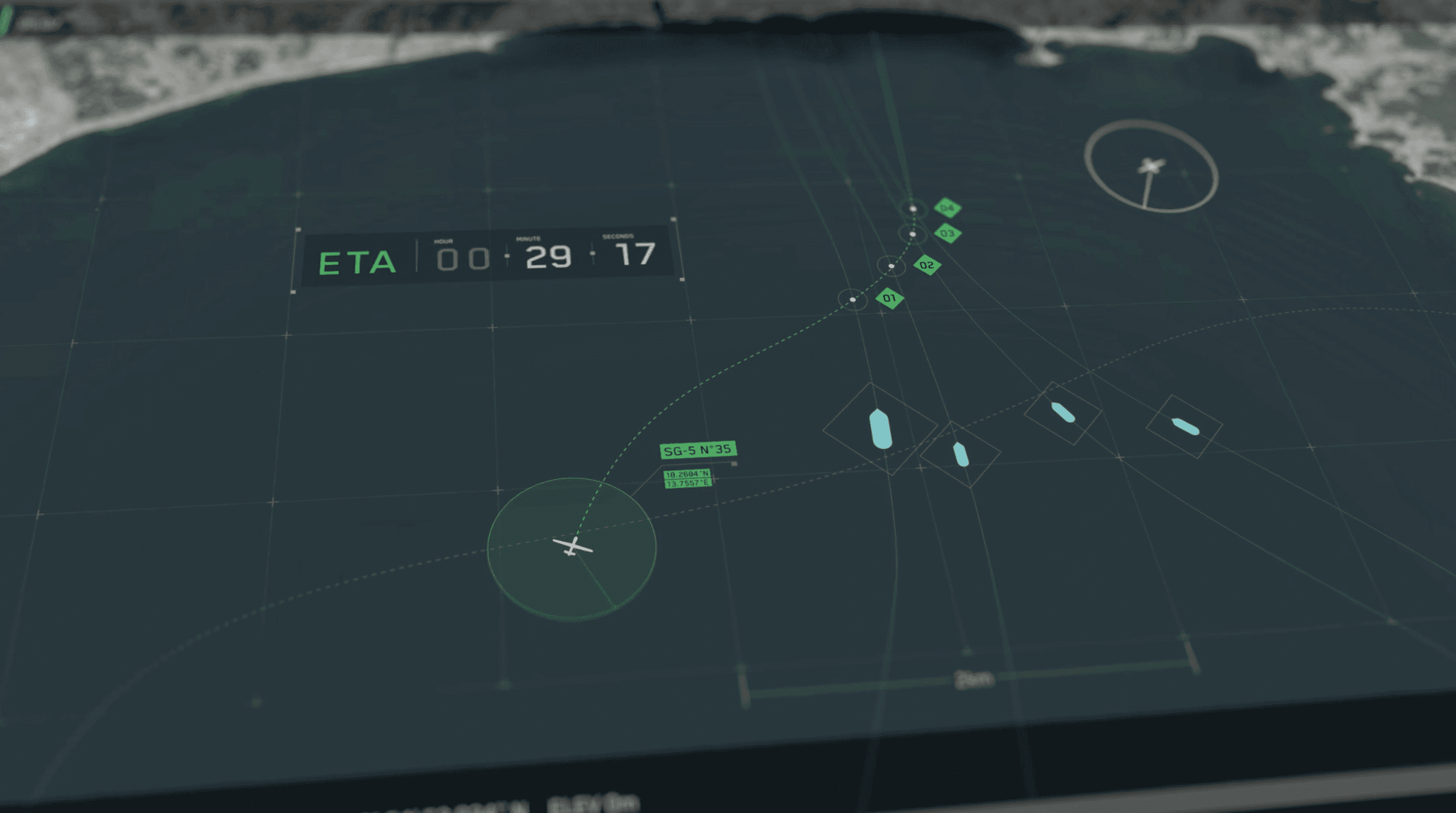
As the prototype developed, the benefits of this approach became clear.
By automating routine operational checks, the system significantly reduced the number of manual steps required before a mission could begin. AI-driven diagnostics helped identify potential issues early, improving system reliability and safety and reducing lead times.
During missions, the AI platform continuously monitored telemetry, sensor feeds, and environmental data. When anomalies were detected, the system could surface alerts and suggest potential actions for the operator.
This allowed operators to maintain a high level of situational awareness without needing to manually interpret every data stream.
Perhaps most importantly, the human-in-the-loop design ensured that operators retained full control of the system. If unexpected situations arose, personnel could immediately override the automated processes and take direct control of the drone.
The concept demonstrated how AI could meaningfully assist drone operations without compromising safety, accountability, or operational authority.
As the prototype developed, the benefits of this approach became clear.
By automating routine operational checks, the system significantly reduced the number of manual steps required before a mission could begin. AI-driven diagnostics helped identify potential issues early, improving system reliability and safety and reducing lead times.
During missions, the AI platform continuously monitored telemetry, sensor feeds, and environmental data. When anomalies were detected, the system could surface alerts and suggest potential actions for the operator.
This allowed operators to maintain a high level of situational awareness without needing to manually interpret every data stream.
Perhaps most importantly, the human-in-the-loop design ensured that operators retained full control of the system. If unexpected situations arose, personnel could immediately override the automated processes and take direct control of the drone.
The concept demonstrated how AI could meaningfully assist drone operations without compromising safety, accountability, or operational authority.
Conclusion
Conclusion
The General Atomics drone concept explored how artificial intelligence could reshape the way drone operations are conducted. By combining AI-assisted workflows with human oversight, the project demonstrated a model for integrating autonomy into complex operational systems without removing human judgement from critical decisions.
Rather than replacing operators, the system amplified their capabilities. AI managed repetitive processes, analysed operational data and surfaced insights that helped personnel make better decisions more quickly.
The project ultimately illustrated how emerging AI technologies can simplify operational complexity while maintaining the reliability and control required for real-world drone deployments.
The General Atomics drone concept explored how artificial intelligence could reshape the way drone operations are conducted. By combining AI-assisted workflows with human oversight, the project demonstrated a model for integrating autonomy into complex operational systems without removing human judgement from critical decisions.
Rather than replacing operators, the system amplified their capabilities. AI managed repetitive processes, analysed operational data and surfaced insights that helped personnel make better decisions more quickly.
The project ultimately illustrated how emerging AI technologies can simplify operational complexity while maintaining the reliability and control required for real-world drone deployments.
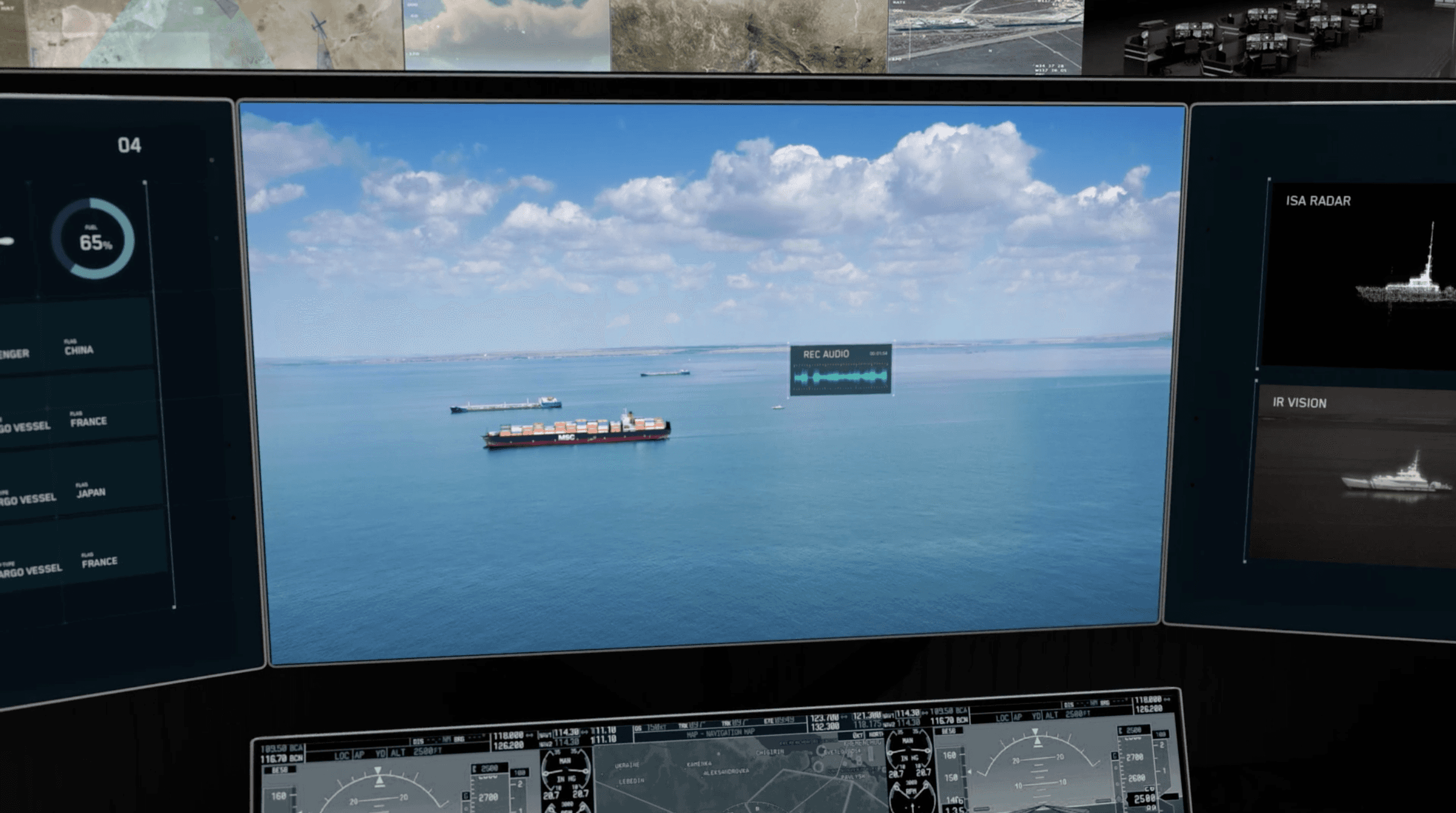
Takeaways
Takeaways
This project reinforced several key principles about designing AI-enabled operational systems.
First, autonomy should augment human capability rather than replace it. Human operators remain essential for strategic decision-making and emergency response.
Second, AI is particularly valuable when applied to repetitive and procedural tasks. Automating system checks, diagnostics and monitoring can significantly reduce cognitive load.
Third, effective AI systems require close integration between software and hardware. Real-time decision support depends on robust onboard computing, sensors and communication infrastructure.
Finally, designing for trust is essential. Operators must understand how the system works, why decisions are made and how to intervene when necessary.
By focusing on these principles, the concept demonstrated how AI could support the next generation of drone operations while preserving the critical role of human oversight.