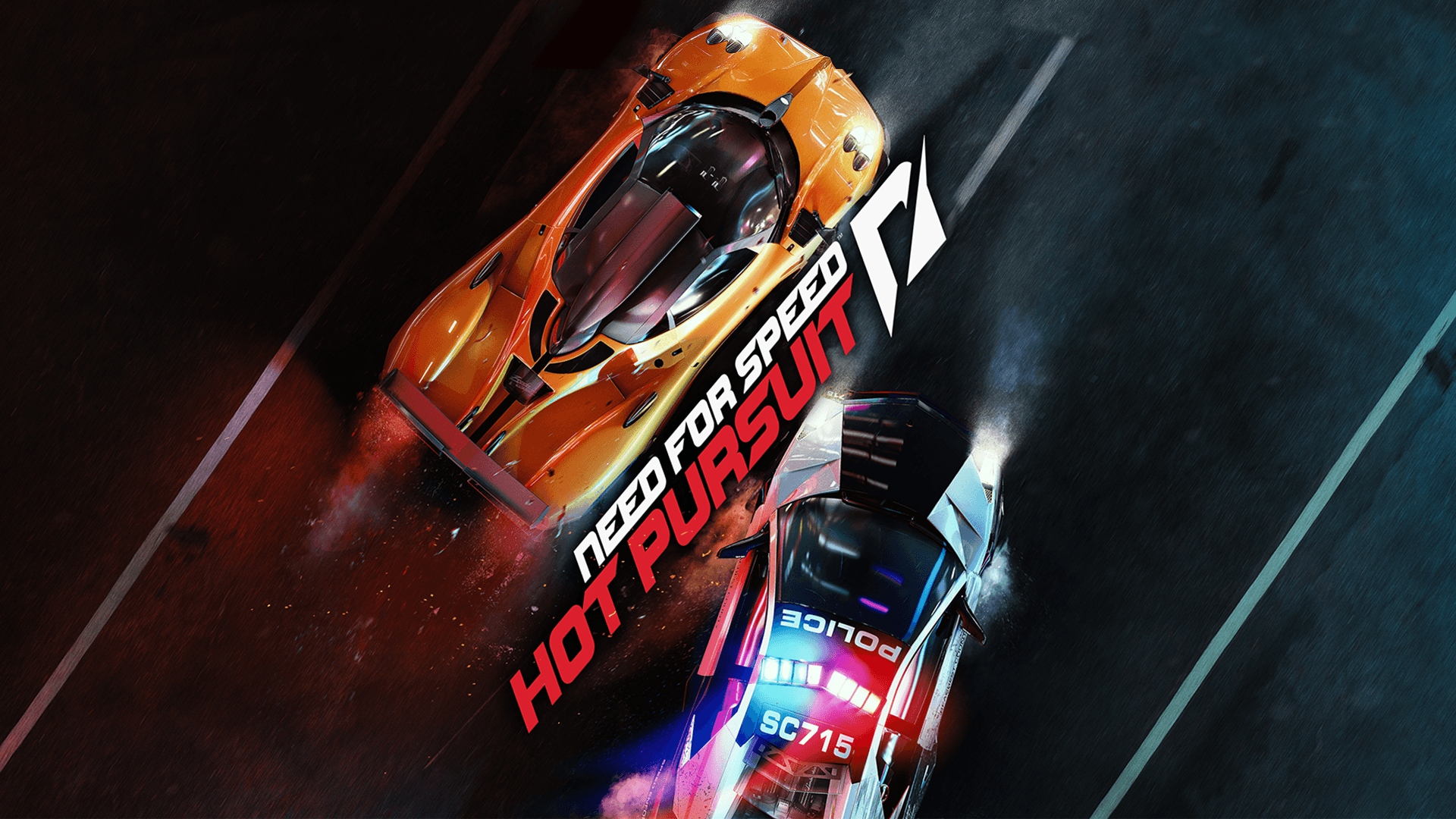
Need For Speed: Hot Pursuit
Need For Speed: Hot Pursuit
Client: Electronic Arts
Agency: Criterion
Role: Senior Motion Designer
Teams: Leadership team, 3 Designers
Duration: 12 months
Goal: HUD design, system UX, game flows, camera direction
Outcome: Designed elements for HUD, Autolog system UX design, gameplay flows, cinematic camera behaviours
Client: Electronic Arts
Agency: Criterion
Role: Senior Motion Designer
Teams: Leadership team, 3 Designers
Duration: 12 months
Goal: HUD design, system UX, game flows, camera direction
Outcome: Designed elements for HUD, Autolog system UX design, gameplay flows, cinematic camera behaviours
Project Introduction
Project Introduction
Racing games rely heavily on clarity, speed, and immersion. Players need to process information instantly while navigating high-speed environments, making UX design a critical part of the gameplay experience. In Need for Speed: Hot Pursuit, the focus was on delivering a high-intensity racing experience that blended competitive gameplay with cinematic presentation.
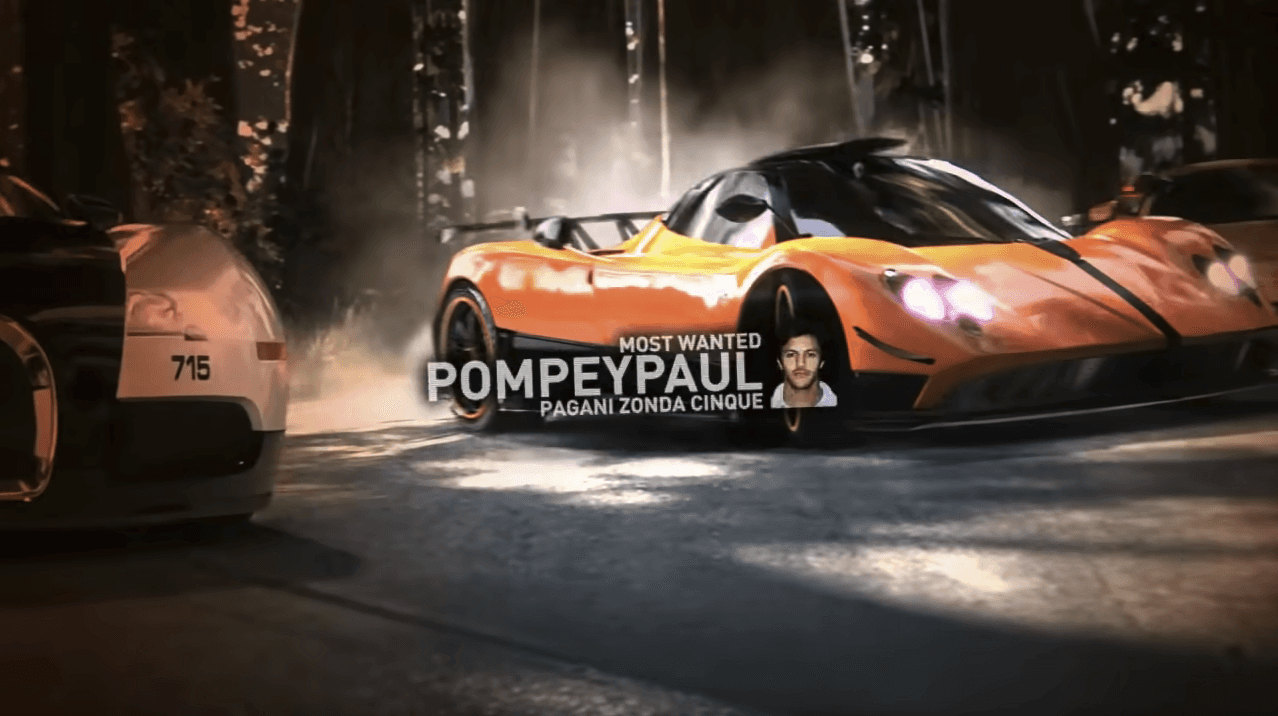
The game introduced players to both sides of the chase, allowing them to play as racers or as law enforcement pursuing them. While earlier entries in the Need for Speed franchise had explored police pursuits, Hot Pursuit refined and expanded this dual-role gameplay into a core system, creating a more structured and competitive experience around the dynamic between cops and racers.
My role on the project involved working on the HUD, the Autolog system, game flows, and camera direction, contributing to both the functional and cinematic aspects of the experience. The goal was to create systems that supported fast-paced gameplay while enhancing the sense of immersion and competition.
Racing games rely heavily on clarity, speed, and immersion. Players need to process information instantly while navigating high-speed environments, making UX design a critical part of the gameplay experience. In Need for Speed: Hot Pursuit, the focus was on delivering a high-intensity racing experience that blended competitive gameplay with cinematic presentation.
The game introduced players to both sides of the chase, allowing them to play as racers or as law enforcement pursuing them. While earlier entries in the Need for Speed franchise had explored police pursuits, Hot Pursuit refined and expanded this dual-role gameplay into a core system, creating a more structured and competitive experience around the dynamic between cops and racers.
My role on the project involved working on the HUD, the Autolog system, game flows, and camera direction, contributing to both the functional and cinematic aspects of the experience. The goal was to create systems that supported fast-paced gameplay while enhancing the sense of immersion and competition.
Project Story
Project Story
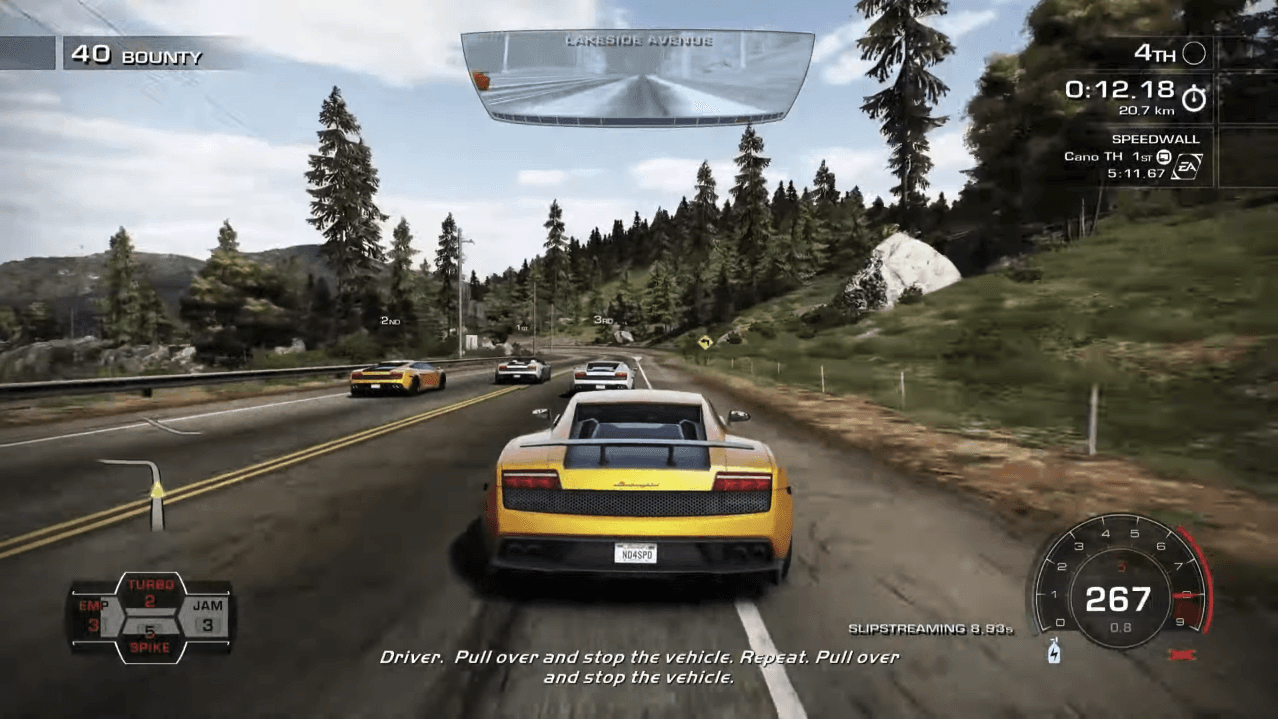
At the start of the project, the key challenge was designing interfaces that could operate effectively at extreme speeds. Players needed to understand critical information—such as position, speed, weapons, and race status—without distraction. The HUD needed to be minimal yet highly functional, presenting information clearly while allowing players to stay focused on the road.
Another major component was the development of the Autolog system, which introduced a new layer of social competition. Autolog allowed players to compare performance with friends, track records, and receive challenges based on gameplay activity. This system needed to integrate seamlessly into the overall experience, providing motivation without interrupting gameplay flow.
Designing the game flows was equally important. Players needed to move smoothly between events, challenges, and progression systems, maintaining momentum and engagement. The structure of the experience needed to support quick entry into races while also reinforcing the competitive loop created by Autolog.
In addition, the project involved defining camera behaviours for both gameplay and cinematic sequences. Racing games rely heavily on camera work to create a sense of speed and impact, and the challenge was to design camera systems that enhanced gameplay while also delivering cinematic moments during key events such as takedowns or high-speed chases.
At the start of the project, the key challenge was designing interfaces that could operate effectively at extreme speeds. Players needed to understand critical information—such as position, speed, weapons, and race status—without distraction. The HUD needed to be minimal yet highly functional, presenting information clearly while allowing players to stay focused on the road.
Another major component was the development of the Autolog system, which introduced a new layer of social competition. Autolog allowed players to compare performance with friends, track records, and receive challenges based on gameplay activity. This system needed to integrate seamlessly into the overall experience, providing motivation without interrupting gameplay flow.
Designing the game flows was equally important. Players needed to move smoothly between events, challenges, and progression systems, maintaining momentum and engagement. The structure of the experience needed to support quick entry into races while also reinforcing the competitive loop created by Autolog.
In addition, the project involved defining camera behaviours for both gameplay and cinematic sequences. Racing games rely heavily on camera work to create a sense of speed and impact, and the challenge was to design camera systems that enhanced gameplay while also delivering cinematic moments during key events such as takedowns or high-speed chases.
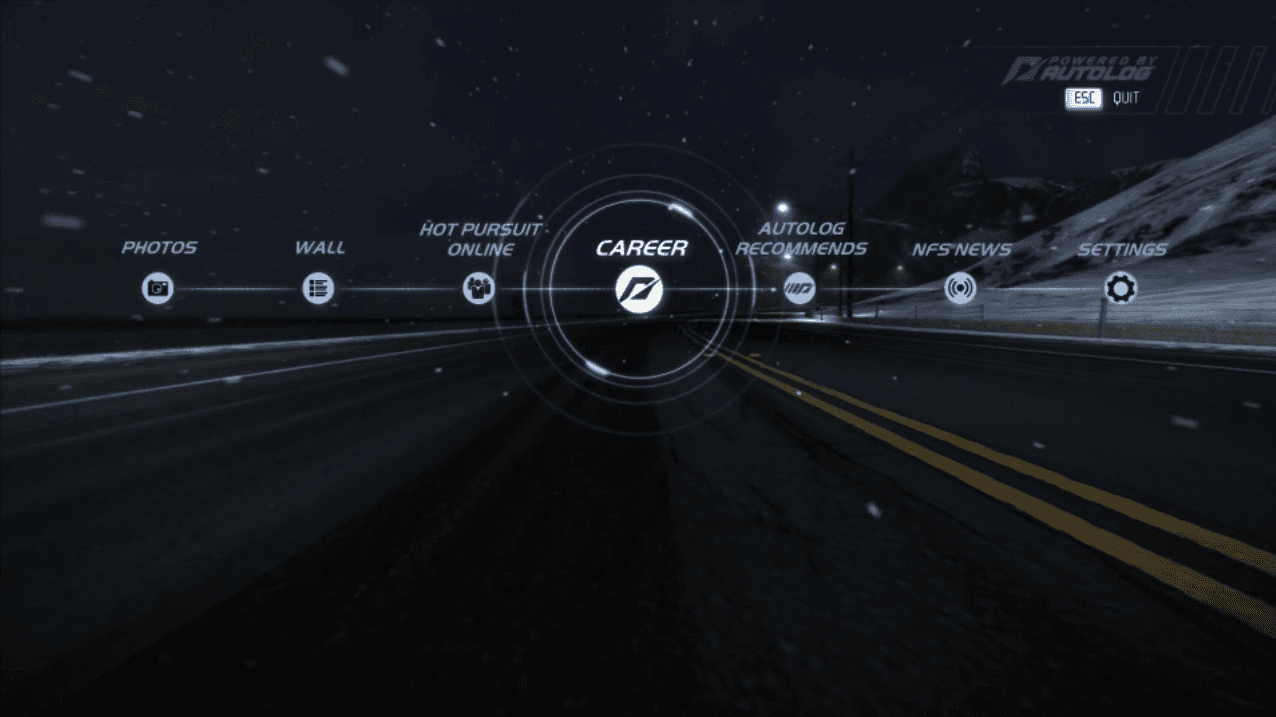
The turning point in the project came when these elements—HUD, Autolog, game flows, and camera systems—were brought together into a cohesive gameplay experience. Each system played a specific role in reinforcing the core loop of competition and high-speed pursuit.
The HUD design was refined to balance minimalism with functionality, ensuring that players could access critical information instantly without overwhelming the screen. Visual hierarchy and placement were carefully considered to support rapid decision-making during races and chases.
The Autolog system became one of the defining features of the game, creating a persistent layer of competition that extended beyond individual races. By automatically tracking player performance and generating challenges, it encouraged continuous engagement and social interaction.
The game flows ensured that players could move quickly between events, maintaining a sense of momentum. This helped reinforce the fast-paced nature of the game, keeping players engaged and reducing friction between gameplay sessions.
The camera systems added a cinematic dimension to the experience, using dynamic angles and transitions to highlight key moments. Whether during a high-speed chase or a dramatic takedown, the camera work helped elevate gameplay into something more visually immersive.
Together, these systems created a unified experience where gameplay, competition, and presentation worked seamlessly.
The turning point in the project came when these elements—HUD, Autolog, game flows, and camera systems—were brought together into a cohesive gameplay experience. Each system played a specific role in reinforcing the core loop of competition and high-speed pursuit.
The HUD design was refined to balance minimalism with functionality, ensuring that players could access critical information instantly without overwhelming the screen. Visual hierarchy and placement were carefully considered to support rapid decision-making during races and chases.
The Autolog system became one of the defining features of the game, creating a persistent layer of competition that extended beyond individual races. By automatically tracking player performance and generating challenges, it encouraged continuous engagement and social interaction.
The game flows ensured that players could move quickly between events, maintaining a sense of momentum. This helped reinforce the fast-paced nature of the game, keeping players engaged and reducing friction between gameplay sessions.
The camera systems added a cinematic dimension to the experience, using dynamic angles and transitions to highlight key moments. Whether during a high-speed chase or a dramatic takedown, the camera work helped elevate gameplay into something more visually immersive.
Together, these systems created a unified experience where gameplay, competition, and presentation worked seamlessly.
As the game launched, the combination of these systems contributed to its strong reception. Need for Speed: Hot Pursuit was widely praised for its gameplay design, integration of social features, and polished presentation. The Autolog system, in particular, was recognised as an innovative approach to asynchronous multiplayer, influencing future racing and competitive games.
The game received multiple industry accolades, including the BAFTA Award for Multiplayer, as well as nominations and awards across various categories recognising its design and innovation. Its success helped reinforce the importance of integrating social systems directly into gameplay experiences.
The refined cops-versus-racers dynamic became a defining feature of the game, building on earlier concepts within the franchise but delivering a more structured and engaging implementation.
For me, the project provided the opportunity to work across multiple layers of game design, from interface systems to cinematic presentation, contributing to a product that was both technically strong and widely recognised.
As the game launched, the combination of these systems contributed to its strong reception. Need for Speed: Hot Pursuit was widely praised for its gameplay design, integration of social features, and polished presentation. The Autolog system, in particular, was recognised as an innovative approach to asynchronous multiplayer, influencing future racing and competitive games.
The game received multiple industry accolades, including the BAFTA Award for Multiplayer, as well as nominations and awards across various categories recognising its design and innovation. Its success helped reinforce the importance of integrating social systems directly into gameplay experiences.
The refined cops-versus-racers dynamic became a defining feature of the game, building on earlier concepts within the franchise but delivering a more structured and engaging implementation.
For me, the project provided the opportunity to work across multiple layers of game design, from interface systems to cinematic presentation, contributing to a product that was both technically strong and widely recognised.
Conclusion
Conclusion
The Need for Speed: Hot Pursuit project demonstrated how UX design can shape both gameplay and player engagement. By combining clear interface design, innovative social systems, and cinematic presentation, the project created a racing experience that felt both competitive and immersive.
The integration of Autolog showed how asynchronous multiplayer systems could enhance replayability and long-term engagement, while the HUD and camera systems ensured that gameplay remained clear and visually compelling.
Ultimately, the project highlighted how multiple design disciplines—UX, systems design, and cinematic direction—can come together to create a cohesive and successful game experience.
The Need for Speed: Hot Pursuit project demonstrated how UX design can shape both gameplay and player engagement. By combining clear interface design, innovative social systems, and cinematic presentation, the project created a racing experience that felt both competitive and immersive.
The integration of Autolog showed how asynchronous multiplayer systems could enhance replayability and long-term engagement, while the HUD and camera systems ensured that gameplay remained clear and visually compelling.
Ultimately, the project highlighted how multiple design disciplines—UX, systems design, and cinematic direction—can come together to create a cohesive and successful game experience.
Takeaways
Takeaways
Clarity is critical at high speeds.
HUD design must prioritise readability and minimal distraction.Social systems can drive engagement.
Autolog demonstrated how asynchronous competition can extend gameplay.Game flow design shapes player experience.
Smooth transitions between events maintain momentum and immersion.Camera design enhances gameplay impact.
Cinematic perspectives elevate key moments and reinforce excitement.Integrated systems create stronger experiences.
Combining UX, gameplay, and presentation results in a more cohesive product.
Clarity is critical at high speeds.
HUD design must prioritise readability and minimal distraction.Social systems can drive engagement.
Autolog demonstrated how asynchronous competition can extend gameplay.Game flow design shapes player experience.
Smooth transitions between events maintain momentum and immersion.Camera design enhances gameplay impact.
Cinematic perspectives elevate key moments and reinforce excitement.Integrated systems create stronger experiences.
Combining UX, gameplay, and presentation results in a more cohesive product.
Final
Final
More Work