
Spiderman Far From Home
Grundfos GO
Spiderman Far From Home
Client: Marvel / Sony Pictures
Agency: Territory
Role: Senior UX/UI Designer
Teams: Leadership team, 3 PMs, 4 Designers
Duration: 6 months
Goal: Create sophisticated and complex systems and effects for the film
Outcome: A multilayered futuristic experience for the viewers
Client: Marvel / Sony Pictures
Agency: Territory
Role: Senior UX/UI Designer
Teams: Leadership team, 3 PMs, 4 Designers
Duration: 6 months
Goal: Create sophisticated and complex systems and effects for the film
Outcome: A multilayered futuristic experience for the viewers
Project Introduction
Project Introduction
Designing user interfaces for film presents a unique challenge. Unlike traditional digital products, cinematic interfaces must communicate complex systems instantly, support storytelling, and feel believable within a fictional world—all while being visually compelling on screen. In Spider-Man: Far From Home, technology plays a central role in the narrative, particularly through advanced drone systems, environmental scanning tools, and real-time tactical interfaces.
My role on the project involved contributing to the design of UX and UI systems that represented this technology on screen, as well as supporting elements of the visual effects that brought these systems to life. The goal was to create interfaces that felt futuristic and powerful, yet grounded enough to be understood by audiences in seconds.
This required designing systems that could communicate information clearly within fast-paced scenes while also reinforcing the tone and realism of the film’s technological world. The challenge was not just aesthetic—it was about creating interfaces that functioned as part of the storytelling itself.
Designing user interfaces for film presents a unique challenge. Unlike traditional digital products, cinematic interfaces must communicate complex systems instantly, support storytelling, and feel believable within a fictional world—all while being visually compelling on screen. In Spider-Man: Far From Home, technology plays a central role in the narrative, particularly through advanced drone systems, environmental scanning tools, and real-time tactical interfaces.
My role on the project involved contributing to the design of UX and UI systems that represented this technology on screen, as well as supporting elements of the visual effects that brought these systems to life. The goal was to create interfaces that felt futuristic and powerful, yet grounded enough to be understood by audiences in seconds.
This required designing systems that could communicate information clearly within fast-paced scenes while also reinforcing the tone and realism of the film’s technological world. The challenge was not just aesthetic—it was about creating interfaces that functioned as part of the storytelling itself.
Project Story
Project Story
At the start of the project, the core challenge was defining how advanced fictional technology should behave and appear on screen. The interfaces needed to represent systems such as drone coordination, environmental scanning, and spatial mapping, all of which required conveying large amounts of data in a way that audiences could immediately understand.
Unlike traditional UX design, where users have time to learn an interface, film interfaces must be readable almost instantly. Every visual element—layout, motion, typography, and interaction—needs to communicate purpose without explanation. This created a design constraint where clarity and visual hierarchy were critical.
The drone systems, in particular, required a clear representation of control and coordination. The interface needed to show multiple units operating simultaneously while maintaining a sense of precision and control. Similarly, scanning systems had to visualise environmental data in a way that felt advanced but still intuitive, often layering information such as depth, structure, and movement into a single visual experience.
Another layer of complexity came from the integration with visual effects. The UI was not a static overlay—it needed to exist within the cinematic world, interacting with lighting, motion, and camera movement. This required close collaboration between UX design and VFX teams to ensure that the interfaces felt physically embedded in the environment.
At the start of the project, the core challenge was defining how advanced fictional technology should behave and appear on screen. The interfaces needed to represent systems such as drone coordination, environmental scanning, and spatial mapping, all of which required conveying large amounts of data in a way that audiences could immediately understand.
Unlike traditional UX design, where users have time to learn an interface, film interfaces must be readable almost instantly. Every visual element—layout, motion, typography, and interaction—needs to communicate purpose without explanation. This created a design constraint where clarity and visual hierarchy were critical.
The drone systems, in particular, required a clear representation of control and coordination. The interface needed to show multiple units operating simultaneously while maintaining a sense of precision and control. Similarly, scanning systems had to visualise environmental data in a way that felt advanced but still intuitive, often layering information such as depth, structure, and movement into a single visual experience.
Another layer of complexity came from the integration with visual effects. The UI was not a static overlay—it needed to exist within the cinematic world, interacting with lighting, motion, and camera movement. This required close collaboration between UX design and VFX teams to ensure that the interfaces felt physically embedded in the environment.
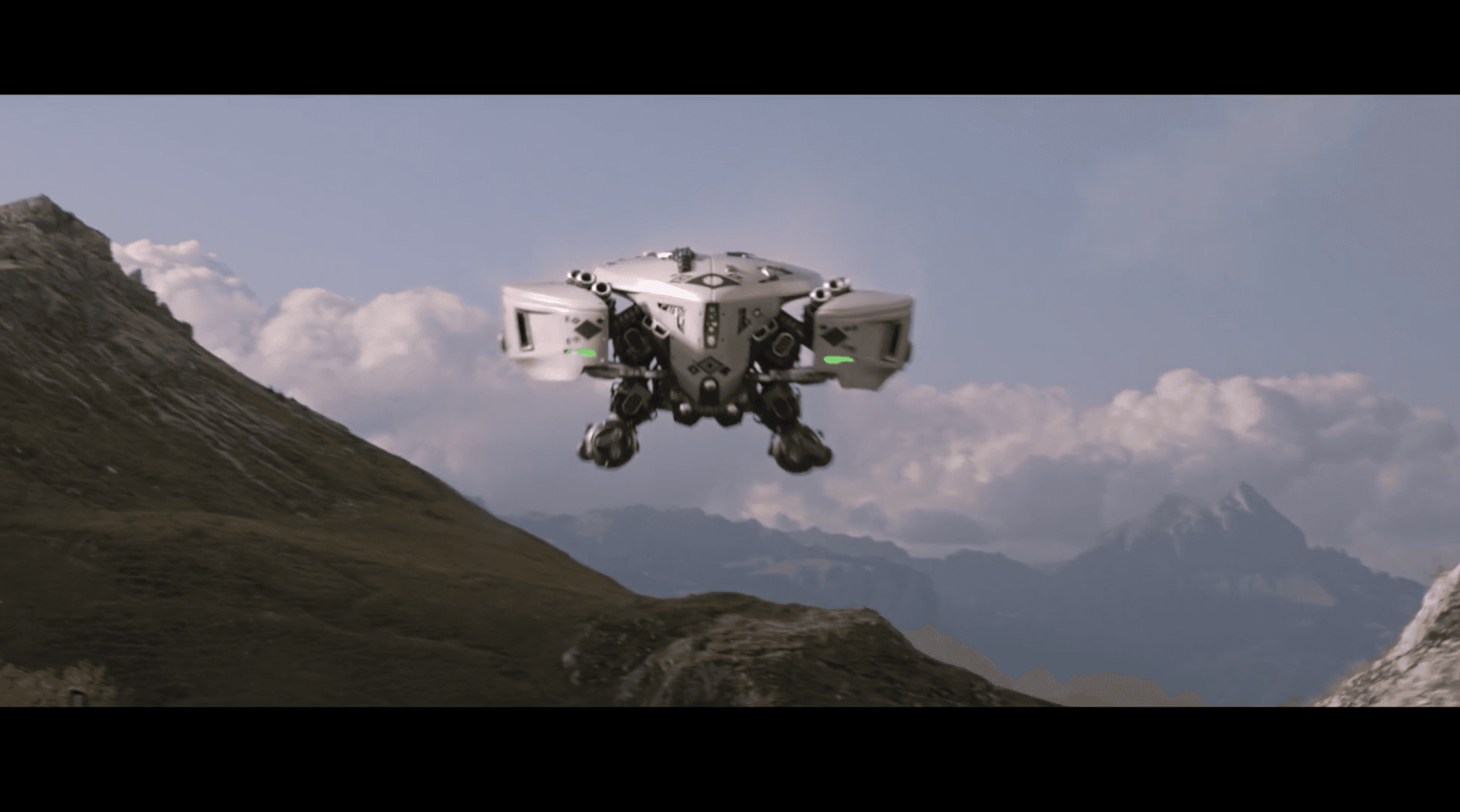
The turning point in the project came when the interfaces evolved from static visual elements into fully integrated cinematic systems. Instead of simply displaying information, the UI became part of the action, responding dynamically to movement, context, and narrative tension.
For the drone systems, this meant designing interfaces that could visualise multiple units in real time while maintaining clarity. Motion design played a critical role, with animated elements helping guide the viewer’s attention and communicate system behaviour. The interface needed to feel responsive and intelligent, reinforcing the idea of advanced autonomous technology.
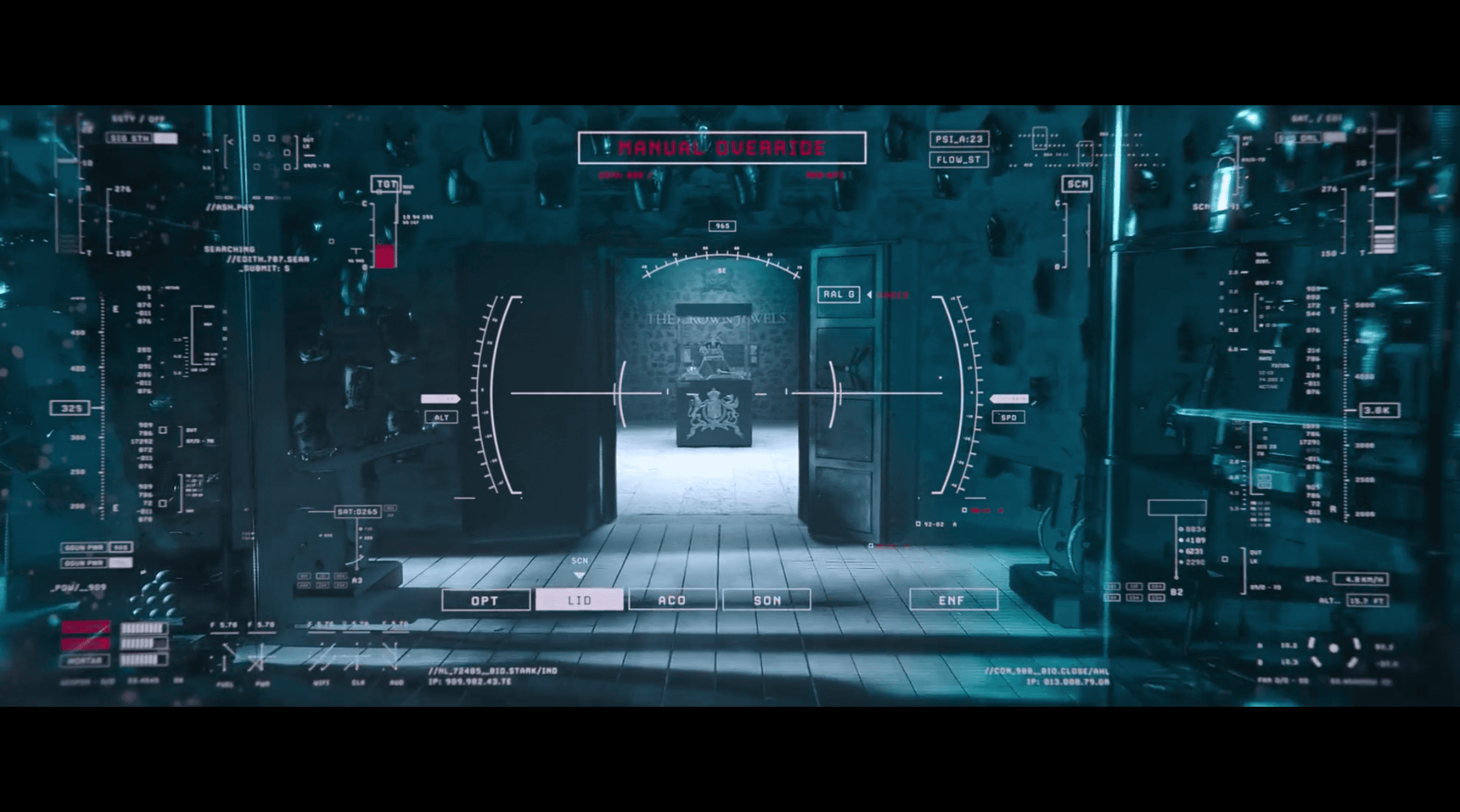
The scanning systems required a different approach. These interfaces layered visual information to represent how the environment was being analysed, using motion, transparency, and depth to communicate different types of data simultaneously. The goal was to create a sense of technological sophistication while ensuring that the audience could still understand what was happening within the scene.
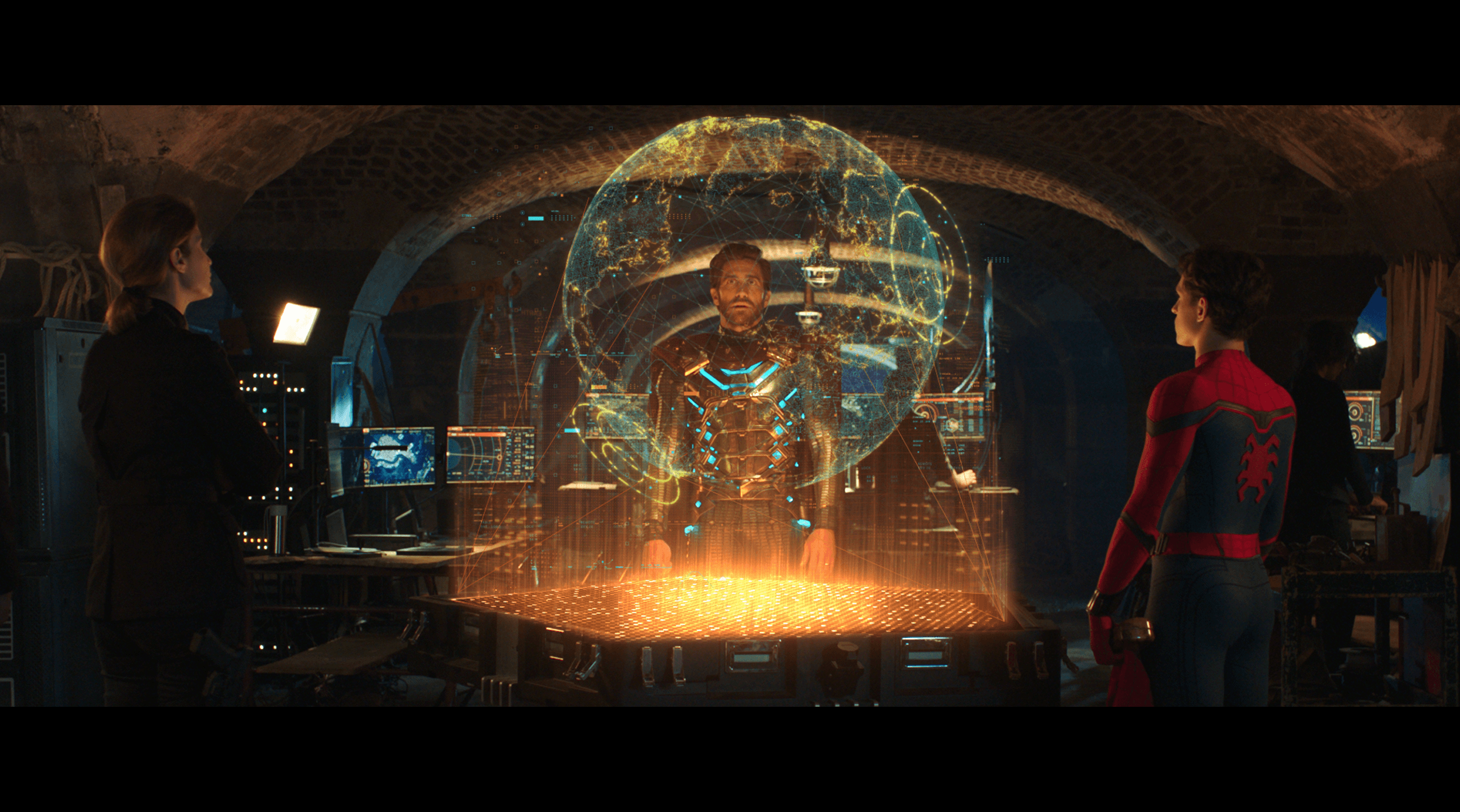
Map-based systems introduced spatial awareness into the interface design. These visualisations needed to represent location, movement, and scale in a way that felt both cinematic and functional. The UI had to support the narrative by helping the audience understand positioning and strategy without distracting from the action.
Throughout the process, I contributed to both the UX logic of these systems and the visual design that brought them to life, ensuring that interaction patterns, motion, and visual hierarchy worked together cohesively. Collaboration with VFX teams ensured that the interfaces integrated seamlessly into the film’s visual environment.neffect, the produc transformed the smartphone into a complete field-service toolkit.
The turning point in the project came when the interfaces evolved from static visual elements into fully integrated cinematic systems. Instead of simply displaying information, the UI became part of the action, responding dynamically to movement, context, and narrative tension.
For the drone systems, this meant designing interfaces that could visualise multiple units in real time while maintaining clarity. Motion design played a critical role, with animated elements helping guide the viewer’s attention and communicate system behaviour. The interface needed to feel responsive and intelligent, reinforcing the idea of advanced autonomous technology.
The scanning systems required a different approach. These interfaces layered visual information to represent how the environment was being analysed, using motion, transparency, and depth to communicate different types of data simultaneously. The goal was to create a sense of technological sophistication while ensuring that the audience could still understand what was happening within the scene.
Map-based systems introduced spatial awareness into the interface design. These visualisations needed to represent location, movement, and scale in a way that felt both cinematic and functional. The UI had to support the narrative by helping the audience understand positioning and strategy without distracting from the action.
Throughout the process, I contributed to both the UX logic of these systems and the visual design that brought them to life, ensuring that interaction patterns, motion, and visual hierarchy worked together cohesively. Collaboration with VFX teams ensured that the interfaces integrated seamlessly into the film’s visual environment.neffect, the produc transformed the smartphone into a complete field-service toolkit.
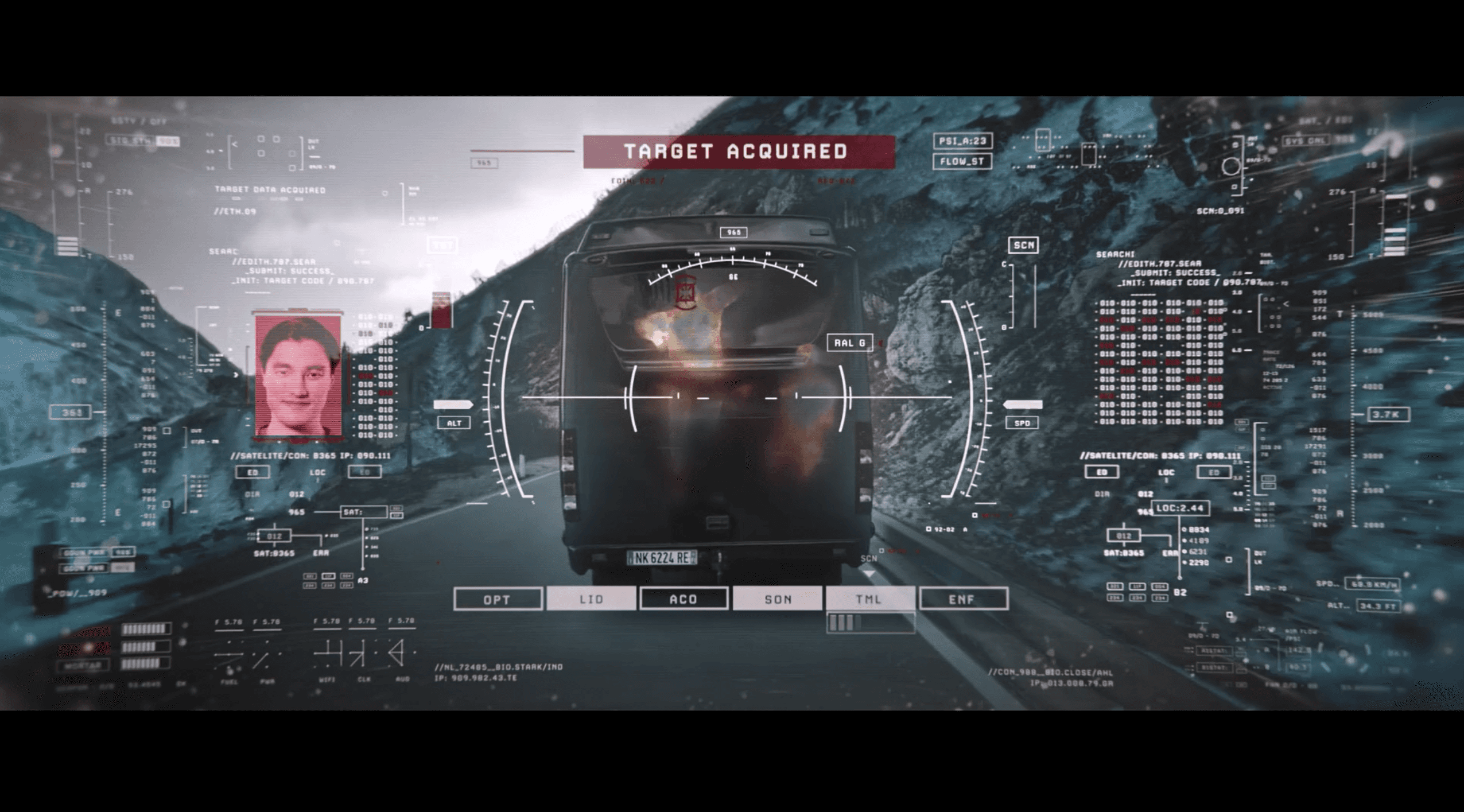
As the project progressed, the integration between UX design and visual effects became increasingly refined. The interfaces were no longer separate design elements but part of a cohesive visual system that supported the film’s storytelling.
The final UI systems successfully communicated complex technological concepts in a way that audiences could understand immediately. Drone coordination, environmental scanning, and spatial mapping all became intuitive visual experiences that enhanced the narrative without requiring explanation.
The collaboration between design and VFX teams ensured that the interfaces felt physically embedded within the film’s world, responding naturally to camera movement, lighting, and action. This level of integration helped create a believable representation of advanced technology while maintaining visual clarity.
The result was a set of cinematic interfaces that not only supported the story but also contributed to the overall realism and immersion of the film.
As the project progressed, the integration between UX design and visual effects became increasingly refined. The interfaces were no longer separate design elements but part of a cohesive visual system that supported the film’s storytelling.
The final UI systems successfully communicated complex technological concepts in a way that audiences could understand immediately. Drone coordination, environmental scanning, and spatial mapping all became intuitive visual experiences that enhanced the narrative without requiring explanation.
The collaboration between design and VFX teams ensured that the interfaces felt physically embedded within the film’s world, responding naturally to camera movement, lighting, and action. This level of integration helped create a believable representation of advanced technology while maintaining visual clarity.
The result was a set of cinematic interfaces that not only supported the story but also contributed to the overall realism and immersion of the film.
Conclusion
Conclusion
Working on Spider-Man: Far From Home provided a unique opportunity to design user interfaces that exist at the intersection of storytelling, technology, and visual effects. The project demonstrated how UX principles can be applied beyond traditional products to create systems that communicate complex ideas within seconds.
By combining clear visual hierarchy, motion design, and system thinking, the interfaces helped translate advanced fictional technology into something audiences could intuitively understand. The collaboration between UX design and VFX played a crucial role in ensuring that these systems felt both believable and visually compelling.
The project highlighted how interface design can contribute directly to storytelling, shaping how audiences perceive and understand the technological world within a film.
Working on Spider-Man: Far From Home provided a unique opportunity to design user interfaces that exist at the intersection of storytelling, technology, and visual effects. The project demonstrated how UX principles can be applied beyond traditional products to create systems that communicate complex ideas within seconds.
By combining clear visual hierarchy, motion design, and system thinking, the interfaces helped translate advanced fictional technology into something audiences could intuitively understand. The collaboration between UX design and VFX played a crucial role in ensuring that these systems felt both believable and visually compelling.
The project highlighted how interface design can contribute directly to storytelling, shaping how audiences perceive and understand the technological world within a film.
Takeaways
Takeaways
Cinematic UX requires instant clarity.
Interfaces must communicate complex systems in seconds without user learning or interaction.Motion design is critical for understanding.
Animation and visual feedback guide attention and help explain system behaviour.UX and VFX must work together.
Seamless integration between interface design and visual effects is essential for realism.Designing for film is designing for storytelling.
Interfaces are not just functional—they support narrative and audience understanding.Fictional systems still require real logic.
Even speculative technology must follow clear interaction principles to feel believable for the time period.
Cinematic UX requires instant clarity.
Interfaces must communicate complex systems in seconds without user learning or interaction.Motion design is critical for understanding.
Animation and visual feedback guide attention and help explain system behaviour.UX and VFX must work together.
Seamless integration between interface design and visual effects is essential for realism.Designing for film is designing for storytelling.
Interfaces are not just functional—they support narrative and audience understanding.Fictional systems still require real logic.
Even speculative technology must follow clear interaction principles to feel believable for the time period.
Prototype
Prototype
More Work