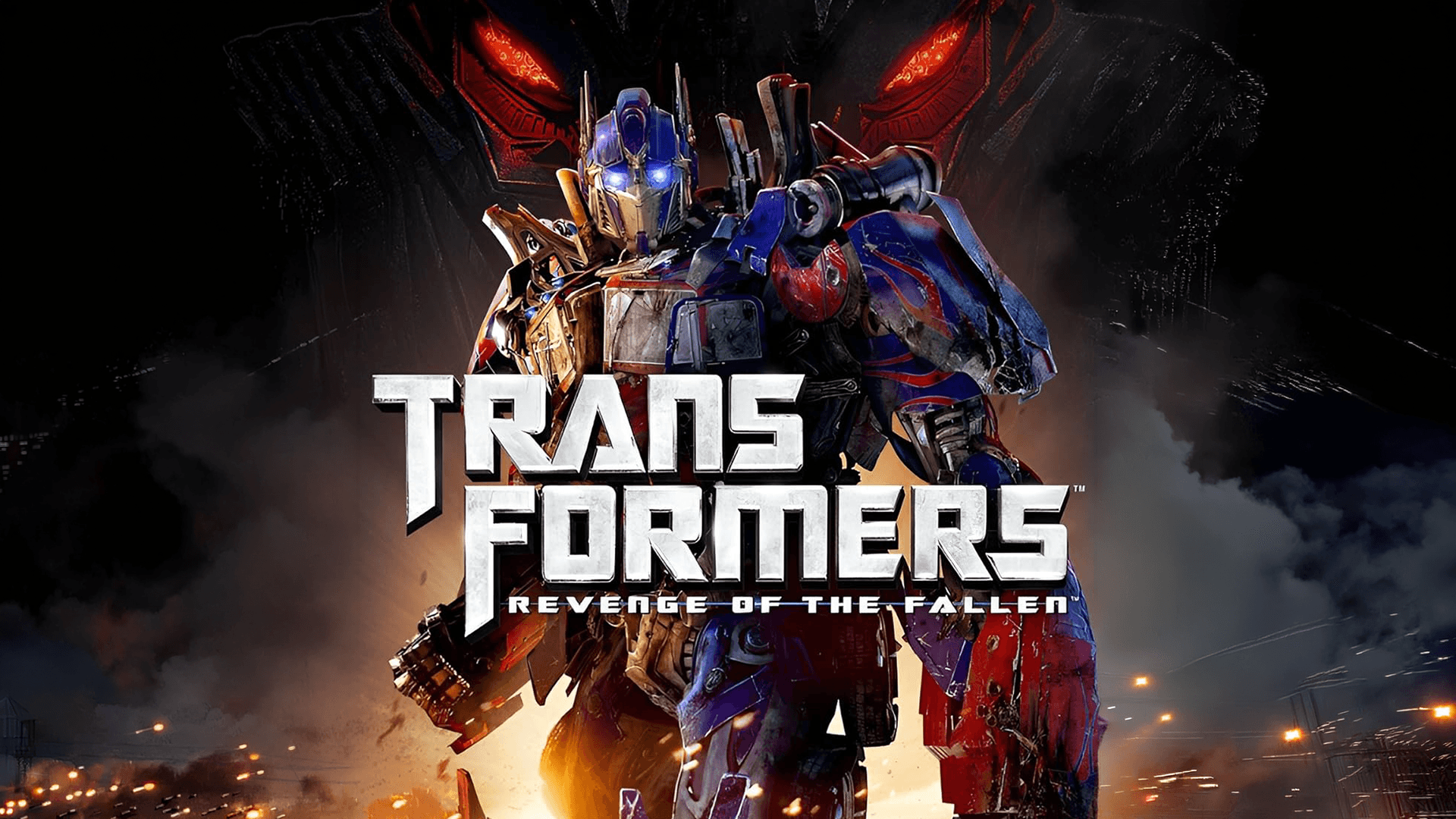
Transformers: Revenge of the Fallen
Transformers: Revenge of the Fallen
Client: Activision
Agency: Spov/Keywords
Role: Senior Motion Designer
Teams: Leadership team, 3 Designers
Duration: 12 months
Goal: HUD design, system UX, game flows, camera direction
Outcome: Successfully implemented Heads-up display, Autolog system UX, gameplay flows, cinematic camera behaviours
Client: Activision
Agency: Spov/Keywords
Role: Senior Motion Designer
Teams: Leadership team, 3 Designers
Duration: 12 months
Goal: HUD design, system UX, game flows, camera direction
Outcome: Successfully implemented Heads-up display, Autolog system UX, gameplay flows, cinematic camera behaviours
Project Introduction
Project Introduction
Working on a globally recognised franchise presents both an opportunity and a responsibility. In Transformers: Revenge of the Fallen-related game development, the visual language must align with an established universe while also supporting the needs of gameplay and cinematic storytelling. The scale, energy, and mechanical complexity of the Transformers world demand a design approach that is both technically robust and visually impactful.
My role on the project focused on creating production pipelines within Cinema 4D (C4D) that allowed the team to produce consistent, high-quality motion graphics across cinematic sequences. In addition to building these systems, I also created hero visual elements that defined how key moments looked and felt, including logo animations, vehicle visualisation systems, and building-related motion graphics.
The challenge was not just to design individual assets, but to establish a framework that could scale across a large team and maintain a consistent visual identity throughout the game.
Working on a globally recognised franchise presents both an opportunity and a responsibility. In Transformers: Revenge of the Fallen-related game development, the visual language must align with an established universe while also supporting the needs of gameplay and cinematic storytelling. The scale, energy, and mechanical complexity of the Transformers world demand a design approach that is both technically robust and visually impactful.
My role on the project focused on creating production pipelines within Cinema 4D (C4D) that allowed the team to produce consistent, high-quality motion graphics across cinematic sequences. In addition to building these systems, I also created hero visual elements that defined how key moments looked and felt, including logo animations, vehicle visualisation systems, and building-related motion graphics.
The challenge was not just to design individual assets, but to establish a framework that could scale across a large team and maintain a consistent visual identity throughout the game.
Project Story
Project Story
At the beginning of the project, the complexity of the visual requirements quickly became clear. Cinematic sequences required detailed motion graphics that aligned with the mechanical and high-energy aesthetic of the Transformers universe, while also being produced efficiently across a team.
Without a structured pipeline, creating these elements individually would lead to inconsistencies in style, lighting, and animation behaviour. Different artists working on separate scenes could produce work that varied in quality or visual tone, making it difficult to maintain a cohesive experience.
The need for standardisation and scalability became central. The project required a system that could define how motion graphics were created, how materials and lighting behaved, and how assets could be reused across different cinematic sequences.
At the same time, there was a need to develop hero elements that would define the visual identity of key moments. These included logo animations that needed to feel powerful and mechanical, as well as visual systems representing vehicles and environments within the game.
Balancing system creation with high-quality visual output became the core challenge.
At the beginning of the project, the complexity of the visual requirements quickly became clear. Cinematic sequences required detailed motion graphics that aligned with the mechanical and high-energy aesthetic of the Transformers universe, while also being produced efficiently across a team.
Without a structured pipeline, creating these elements individually would lead to inconsistencies in style, lighting, and animation behaviour. Different artists working on separate scenes could produce work that varied in quality or visual tone, making it difficult to maintain a cohesive experience.
The need for standardisation and scalability became central. The project required a system that could define how motion graphics were created, how materials and lighting behaved, and how assets could be reused across different cinematic sequences.
At the same time, there was a need to develop hero elements that would define the visual identity of key moments. These included logo animations that needed to feel powerful and mechanical, as well as visual systems representing vehicles and environments within the game.
Balancing system creation with high-quality visual output became the core challenge.
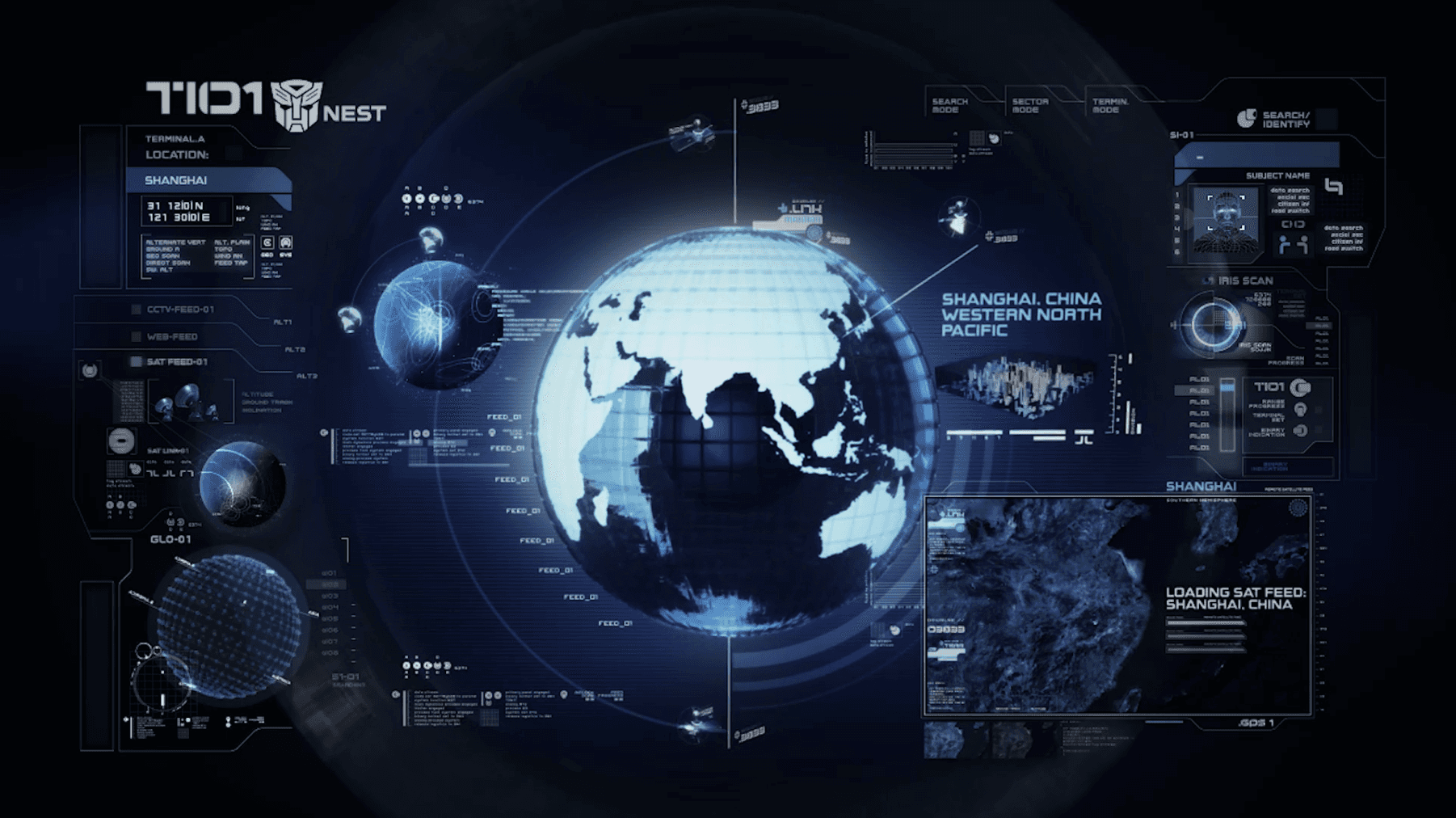
The turning point in the project came with the development of a structured C4D pipeline that enabled the team to produce cinematic motion graphics efficiently and consistently. This pipeline defined how scenes were set up, how materials and lighting were applied, and how animations were constructed.
By creating reusable templates, render settings, and material presets, the system allowed artists to start from a common foundation. This ensured that all outputs shared the same visual language, reducing inconsistencies and improving overall quality.
Alongside this system work, I developed hero motion design elements that set the tone for the cinematics. The logo animations were designed to reflect the mechanical, transforming nature of the franchise, using motion, scale, and timing to create a sense of power and precision.
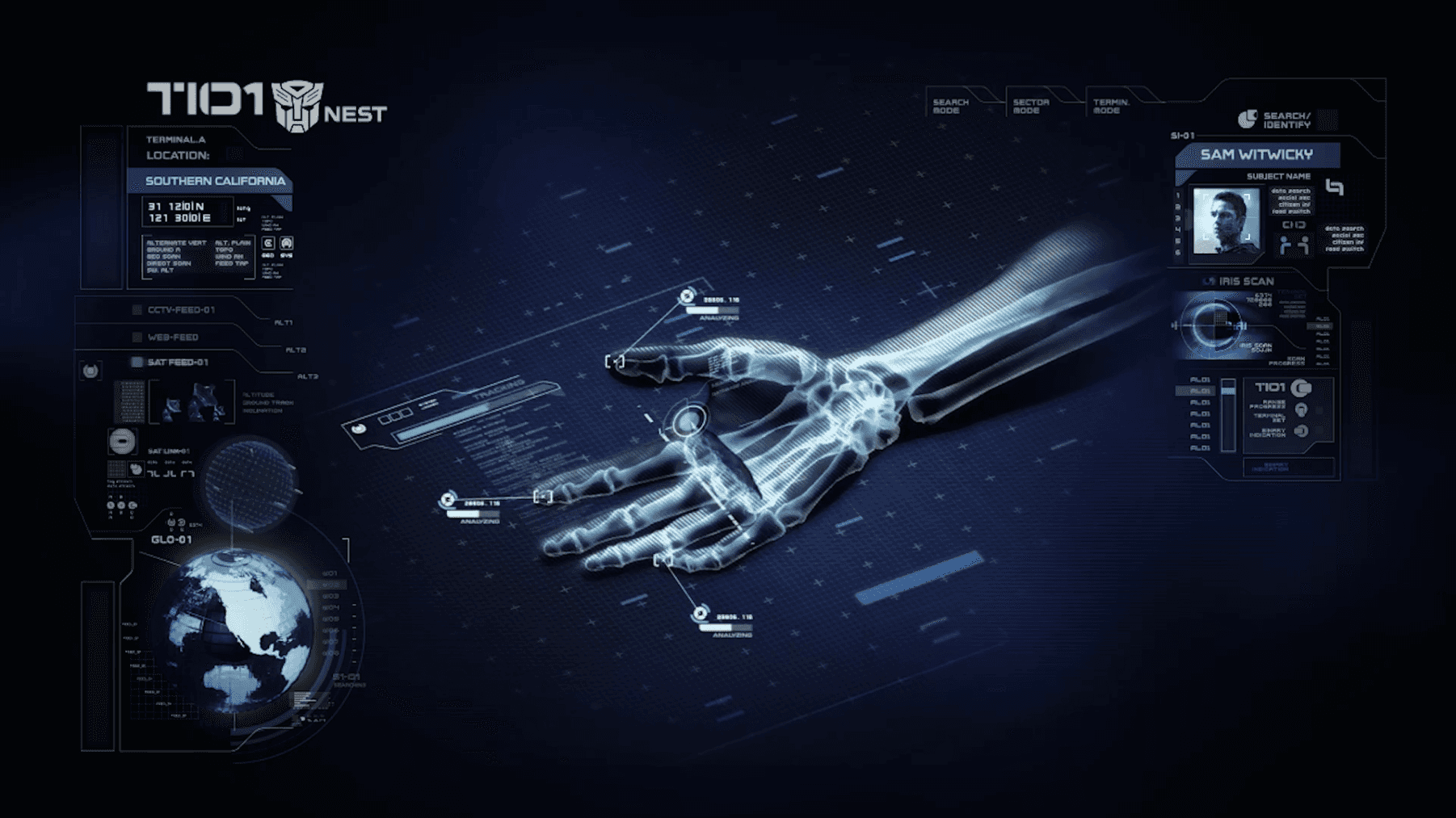
In addition, I contributed to vehicle and building visual systems, creating tools and visual approaches that helped represent the complex mechanical nature of the world. These elements needed to feel detailed and dynamic, aligning with the expectations of a Transformers experience.
The combination of pipeline creation and hero asset development allowed the project to achieve both efficiency and visual impact, ensuring that the cinematics felt cohesive and high quality throughout.
The turning point in the project came with the development of a structured C4D pipeline that enabled the team to produce cinematic motion graphics efficiently and consistently. This pipeline defined how scenes were set up, how materials and lighting were applied, and how animations were constructed.
By creating reusable templates, render settings, and material presets, the system allowed artists to start from a common foundation. This ensured that all outputs shared the same visual language, reducing inconsistencies and improving overall quality.
Alongside this system work, I developed hero motion design elements that set the tone for the cinematics. The logo animations were designed to reflect the mechanical, transforming nature of the franchise, using motion, scale, and timing to create a sense of power and precision.
In addition, I contributed to vehicle and building visual systems, creating tools and visual approaches that helped represent the complex mechanical nature of the world. These elements needed to feel detailed and dynamic, aligning with the expectations of a Transformers experience.
The combination of pipeline creation and hero asset development allowed the project to achieve both efficiency and visual impact, ensuring that the cinematics felt cohesive and high quality throughout.
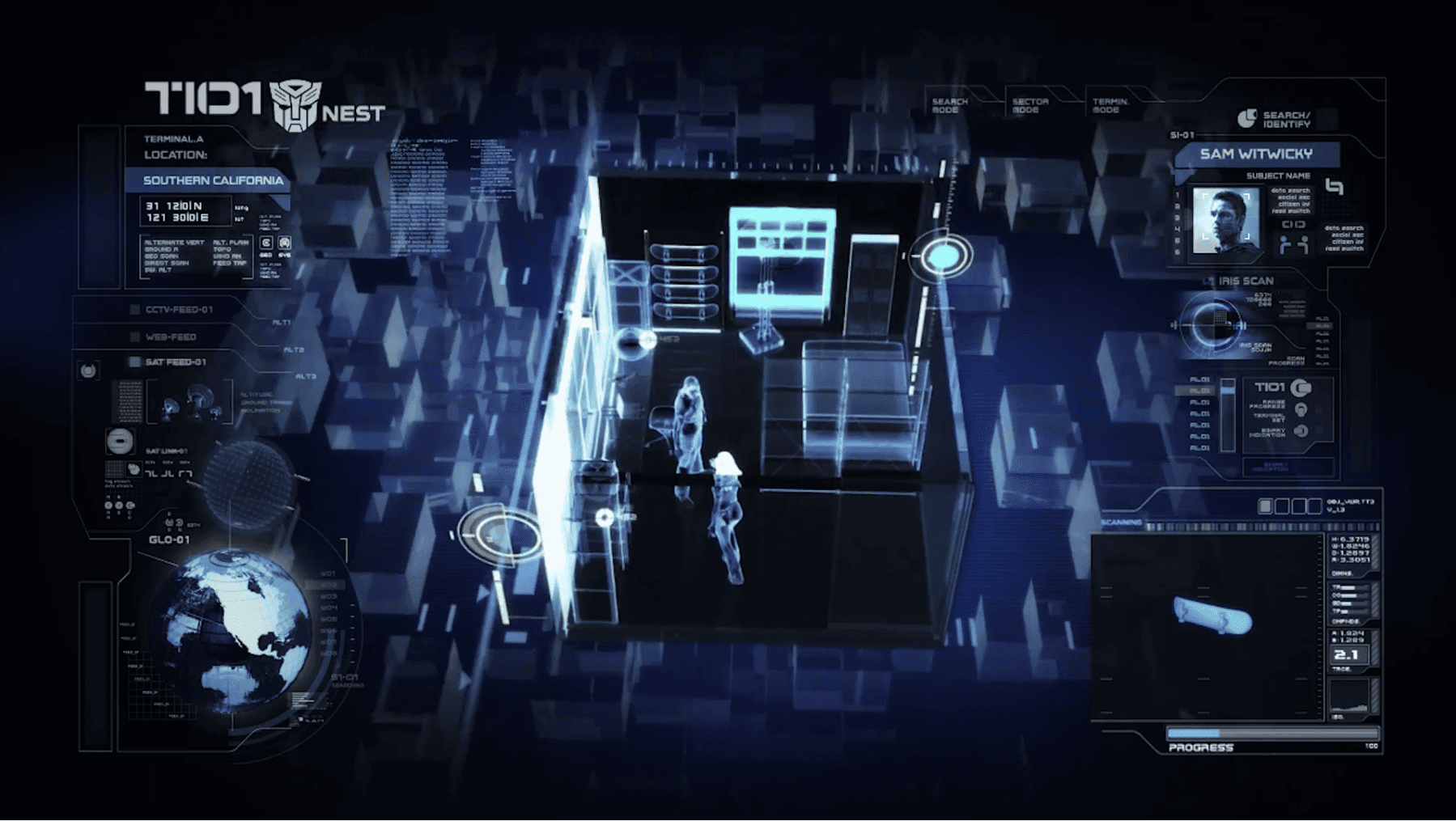
As the pipeline was adopted across the team, production became more efficient and consistent. Artists were able to focus on creative execution rather than rebuilding technical setups, leading to faster iteration and improved output quality.
The hero elements helped establish a strong visual identity for the cinematics, ensuring that key moments felt impactful and aligned with the franchise’s tone. The vehicle and environmental systems reinforced the mechanical complexity of the world, contributing to the overall immersion.
The combination of structured systems and high-quality visuals allowed the team to deliver cinematic sequences that matched the scale and energy of the Transformers universe.
For me, the project was particularly significant, as it combined technical problem-solving with creative execution on a franchise that had a strong personal and cultural impact.
As the pipeline was adopted across the team, production became more efficient and consistent. Artists were able to focus on creative execution rather than rebuilding technical setups, leading to faster iteration and improved output quality.
The hero elements helped establish a strong visual identity for the cinematics, ensuring that key moments felt impactful and aligned with the franchise’s tone. The vehicle and environmental systems reinforced the mechanical complexity of the world, contributing to the overall immersion.
The combination of structured systems and high-quality visuals allowed the team to deliver cinematic sequences that matched the scale and energy of the Transformers universe.
For me, the project was particularly significant, as it combined technical problem-solving with creative execution on a franchise that had a strong personal and cultural impact.
Conclusion
Conclusion
The Transformers: Revenge of the Fallen project demonstrated how pipeline design and motion graphics can work together to support large-scale production. By creating reusable systems and defining visual standards, the project enabled a team of artists to produce consistent, high-quality work across multiple cinematic sequences.
The work highlighted the importance of combining technical infrastructure with creative direction, ensuring that efficiency does not come at the expense of visual impact. It also reinforced the role of design in shaping how large, complex worlds are presented and experienced.
Ultimately, the project showed how building the right systems can amplify both individual creativity and team output.
The Transformers: Revenge of the Fallen project demonstrated how pipeline design and motion graphics can work together to support large-scale production. By creating reusable systems and defining visual standards, the project enabled a team of artists to produce consistent, high-quality work across multiple cinematic sequences.
The work highlighted the importance of combining technical infrastructure with creative direction, ensuring that efficiency does not come at the expense of visual impact. It also reinforced the role of design in shaping how large, complex worlds are presented and experienced.
Ultimately, the project showed how building the right systems can amplify both individual creativity and team output.
Takeaways
Takeaways
Pipeline design enables scalable production.
Structured systems allow teams to work efficiently while maintaining consistency.Reusable assets improve both speed and quality.
Templates and presets reduce repetition and ensure cohesive output.Hero elements define visual identity.
Key assets such as logos and motion sequences set the tone for the experience.Balancing systems and creativity is essential.
Strong technical foundations support more effective creative work.Working on major franchises requires precision and alignment.
Designs must meet high expectations while staying true to established worlds.
Pipeline design enables scalable production.
Structured systems allow teams to work efficiently while maintaining consistency.Reusable assets improve both speed and quality.
Templates and presets reduce repetition and ensure cohesive output.Hero elements define visual identity.
Key assets such as logos and motion sequences set the tone for the experience.Balancing systems and creativity is essential.
Strong technical foundations support more effective creative work.Working on major franchises requires precision and alignment.
Designs must meet high expectations while staying true to established worlds.
Final
Final
More Work