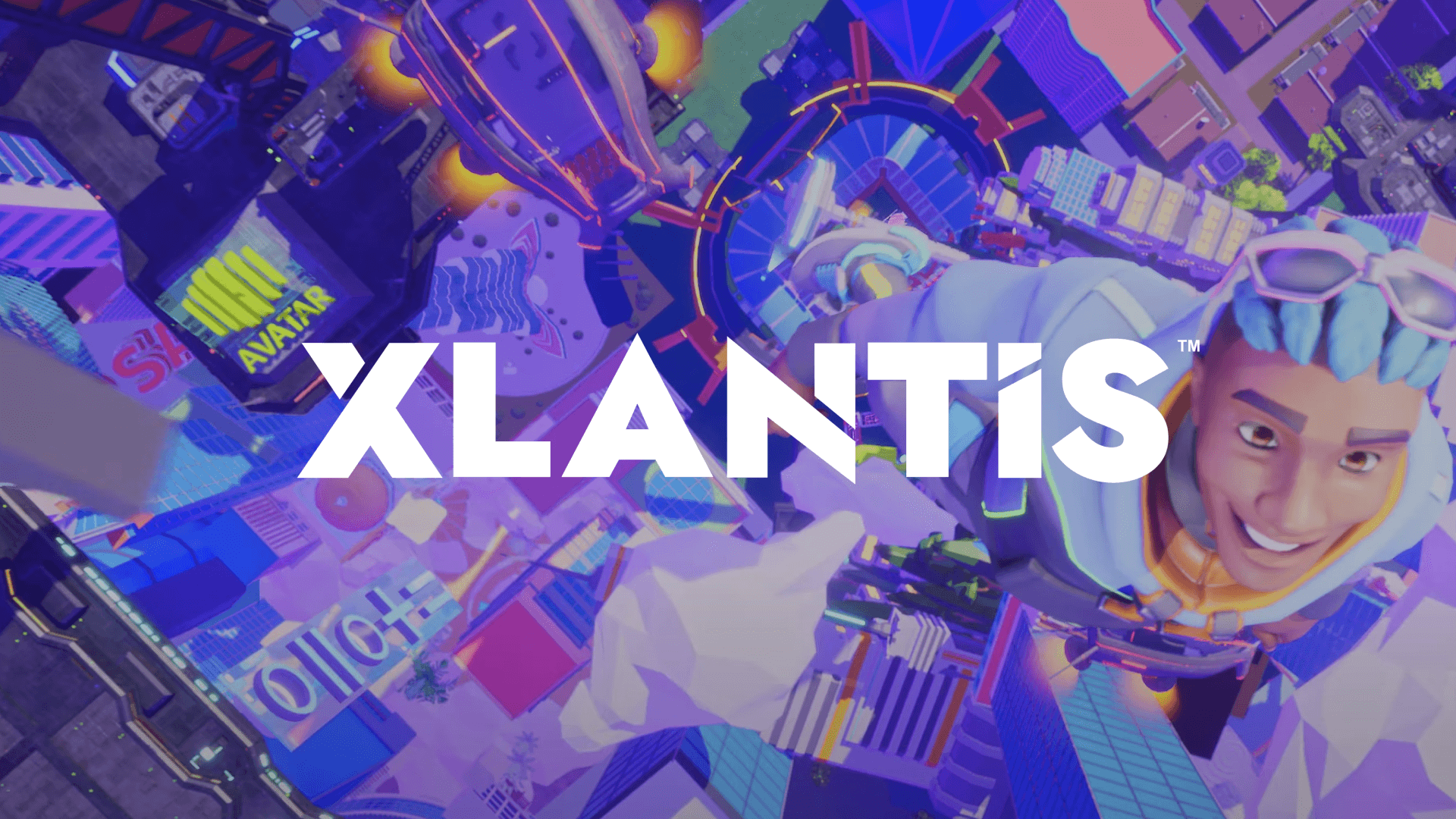
Xlantis Immersive Metaverse
Client: Xmanna
Agency: Atlier 11
Role: Lead Product Designer
Teams: 2 Global teams, 5 PMs, 6 Designers, 12 Engineers
Duration: 12 months
Goal: To build an electric automobile that can travel a certain distance by road on a fixed amount of energy.
Outcome: Increased awareness of electric vehicles being a high growth area in industry.
Client: Xmanna
Agency: Atlier 11
Role: Lead Product Designer
Teams: 2 Global teams, 5 PMs, 6 Designers, 12 Engineers
Duration: 12 months
Goal: To build an electric automobile that can travel a certain distance by road on a fixed amount of energy.
Outcome: Increased awareness of electric vehicles being a high growth area in industry.
Project Introduction
Project Introduction
As digital communities grow and online entertainment evolves, new platforms are emerging that aim to blend gaming, social interaction, live events, and digital ownership into unified virtual environments. These experiences—often referred to as metaverse platforms—seek to create persistent worlds where users can participate in entertainment, community activities, and digital economies.
The XLANTIS project was conceived as one such platform: an open-world digital ecosystem designed to host games, sports experiences, live concerts, and interactive social spaces. The ambition was to build a multi-platform virtual environment where users could explore immersive worlds while participating in digital events and owning virtual assets. XLANTIS metaverse platform aimed to combine elements of gaming, community engagement, and blockchain-enabled digital ownership within a single ecosystem.
The platform was developed using Unreal Engine 5 and cloud infrastructure, allowing for large-scale immersive environments with photorealistic rendering and real-time interaction.
My role in the project involved contributing to the design and conceptual development of the experience—helping shape how users would interact with the platform and how complex systems such as gaming environments, social spaces, and entertainment experiences could coexist within a unified virtual world.
The challenge was not simply to build a game or social platform. It was to design a living digital ecosystem that could support multiple forms of engagement—from gaming and social interaction to large-scale live events.
As digital communities grow and online entertainment evolves, new platforms are emerging that aim to blend gaming, social interaction, live events, and digital ownership into unified virtual environments. These experiences—often referred to as metaverse platforms—seek to create persistent worlds where users can participate in entertainment, community activities, and digital economies.
The XLANTIS project was conceived as one such platform: an open-world digital ecosystem designed to host games, sports experiences, live concerts, and interactive social spaces. The ambition was to build a multi-platform virtual environment where users could explore immersive worlds while participating in digital events and owning virtual assets. XLANTIS metaverse platform aimed to combine elements of gaming, community engagement, and blockchain-enabled digital ownership within a single ecosystem.
The platform was developed using Unreal Engine 5 and cloud infrastructure, allowing for large-scale immersive environments with photorealistic rendering and real-time interaction.
My role in the project involved contributing to the design and conceptual development of the experience—helping shape how users would interact with the platform and how complex systems such as gaming environments, social spaces, and entertainment experiences could coexist within a unified virtual world.
The challenge was not simply to build a game or social platform. It was to design a living digital ecosystem that could support multiple forms of engagement—from gaming and social interaction to large-scale live events.
Project Story
Project Story
Designing for long-range electric mobility presents a complex challenge. Every element of the vehicle influences energy consumption: weight, battery architecture, rolling resistance, and especially aerodynamics.
Even small changes in drag can significantly affect range. When a vehicle moves through the air, turbulence and pressure differences create resistance that forces the powertrain to consume more energy. Over long journeys, reducing this resistance becomes one of the most effective ways to extend driving distance.
For the Aura project, the vehicle design itself already pushed aerodynamic efficiency through sculpted surfaces, covered rear wheels, air curtains, and a rear diffuser that helped airflow remain attached to the body.
However, one question emerged during development: what if the driver could actively influence aerodynamic efficiency while driving?
In real-world conditions, airflow around a vehicle constantly changes. Crosswinds, road position, nearby vehicles, and subtle shifts in driving behaviour can alter drag forces acting on the car. Yet drivers rarely receive feedback about these effects.
The opportunity was to create a system that translated invisible aerodynamic conditions into something the driver could understand and respond to in real time.
Designing for long-range electric mobility presents a complex challenge. Every element of the vehicle influences energy consumption: weight, battery architecture, rolling resistance, and especially aerodynamics.
Even small changes in drag can significantly affect range. When a vehicle moves through the air, turbulence and pressure differences create resistance that forces the powertrain to consume more energy. Over long journeys, reducing this resistance becomes one of the most effective ways to extend driving distance.
For the Aura project, the vehicle design itself already pushed aerodynamic efficiency through sculpted surfaces, covered rear wheels, air curtains, and a rear diffuser that helped airflow remain attached to the body.
However, one question emerged during development: what if the driver could actively influence aerodynamic efficiency while driving?
In real-world conditions, airflow around a vehicle constantly changes. Crosswinds, road position, nearby vehicles, and subtle shifts in driving behaviour can alter drag forces acting on the car. Yet drivers rarely receive feedback about these effects.
The opportunity was to create a system that translated invisible aerodynamic conditions into something the driver could understand and respond to in real time.

The key innovation of the project was a driver-assistance system designed to visualise aerodynamic efficiency and guide driver behaviour.
Using sensors embedded in the vehicle and environmental data, the system analysed airflow conditions around the car and translated them into clear feedback for the driver through the vehicle’s interface. The Aura concept vehicle already featured a unique human-machine interface combining a steering-wheel display and central touchscreen to communicate performance and environmental information.
Building on this platform, the system provided guidance that helped the driver position the vehicle in ways that reduced aerodynamic drag.
For example, the system could indicate when subtle changes in lane positioning or vehicle alignment would allow airflow to move more cleanly across the body. These adjustments might appear small, but over the course of a long journey they could significantly reduce energy consumption.
The interface translated complex aerodynamic data into simple visual cues, allowing drivers to instinctively adjust their driving behaviour without distraction.
In essence, the driver became an active participant in the vehicle’s energy optimisation system.
Rather than simply displaying range estimates, the system helped the driver directly influence how efficiently the vehicle moved through the air.
Ineffect, the produc transformed the smartphone into a complete field-service toolkit.
The key innovation of the project was a driver-assistance system designed to visualise aerodynamic efficiency and guide driver behaviour.
Using sensors embedded in the vehicle and environmental data, the system analysed airflow conditions around the car and translated them into clear feedback for the driver through the vehicle’s interface. The Aura concept vehicle already featured a unique human-machine interface combining a steering-wheel display and central touchscreen to communicate performance and environmental information.
Building on this platform, the system provided guidance that helped the driver position the vehicle in ways that reduced aerodynamic drag.
For example, the system could indicate when subtle changes in lane positioning or vehicle alignment would allow airflow to move more cleanly across the body. These adjustments might appear small, but over the course of a long journey they could significantly reduce energy consumption.
The interface translated complex aerodynamic data into simple visual cues, allowing drivers to instinctively adjust their driving behaviour without distraction.
In essence, the driver became an active participant in the vehicle’s energy optimisation system.
Rather than simply displaying range estimates, the system helped the driver directly influence how efficiently the vehicle moved through the air.
Ineffect, the produc transformed the smartphone into a complete field-service toolkit.
As the concept developed, the integration between vehicle design, digital systems, and driver behaviour became clearer.
The Aura project demonstrated that improving electric vehicle range is not only about larger batteries or more efficient motors. It can also come from better communication between the vehicle and the driver.
By visualising aerodynamic conditions and providing actionable feedback, the system enabled drivers to make small adjustments that improved overall efficiency.
Combined with the vehicle’s low-drag design, lightweight composite materials, and advanced battery architecture, this approach contributed to the concept vehicle’s long-range capability of approximately 400 miles on a single charge.
More importantly, the project showed how future electric vehicles could integrate real-time environmental awareness into the driving experience, helping drivers optimise energy use throughout their journey.
As the concept developed, the integration between vehicle design, digital systems, and driver behaviour became clearer.
The Aura project demonstrated that improving electric vehicle range is not only about larger batteries or more efficient motors. It can also come from better communication between the vehicle and the driver.
By visualising aerodynamic conditions and providing actionable feedback, the system enabled drivers to make small adjustments that improved overall efficiency.
Combined with the vehicle’s low-drag design, lightweight composite materials, and advanced battery architecture, this approach contributed to the concept vehicle’s long-range capability of approximately 400 miles on a single charge.
More importantly, the project showed how future electric vehicles could integrate real-time environmental awareness into the driving experience, helping drivers optimise energy use throughout their journey.
Conclusion
Conclusion
The Aura project explored a different way of thinking about electric vehicle efficiency. Instead of treating range as a fixed technical limitation, the project approached it as a dynamic system shaped by design, software, and driver interaction.
By combining aerodynamic vehicle design with real-time driver feedback, the concept demonstrated how digital interfaces could help drivers actively reduce energy consumption.
The system turned invisible aerodynamic forces into something understandable and actionable, allowing drivers to adjust their behaviour to achieve better efficiency without compromising the driving experience.
More broadly, the project illustrated how the future of electric mobility may rely not only on hardware innovation but also on intelligent systems that connect drivers more closely with the performance of their vehicles.
The Aura project explored a different way of thinking about electric vehicle efficiency. Instead of treating range as a fixed technical limitation, the project approached it as a dynamic system shaped by design, software, and driver interaction.
By combining aerodynamic vehicle design with real-time driver feedback, the concept demonstrated how digital interfaces could help drivers actively reduce energy consumption.
The system turned invisible aerodynamic forces into something understandable and actionable, allowing drivers to adjust their behaviour to achieve better efficiency without compromising the driving experience.
More broadly, the project illustrated how the future of electric mobility may rely not only on hardware innovation but also on intelligent systems that connect drivers more closely with the performance of their vehicles.
Takeaways
Takeaways
This project highlighted several important lessons about designing systems for next-generation electric vehicles.
First, energy efficiency is a systems problem. Improvements come not only from batteries and motors but also from aerodynamics, materials, and digital interfaces.
Second, drivers can play a meaningful role in efficiency when they are given the right information. By visualising complex environmental data, digital systems can empower drivers to make better decisions.
Third, human-machine interfaces are becoming central to the electric vehicle experience. As vehicles become more intelligent, the interface becomes the bridge between complex data and intuitive human understanding.
Finally, designing for sustainability often requires combining multiple disciplines—from aerodynamic engineering to interaction design—to create solutions that extend beyond traditional automotive boundaries.
This project highlighted several important lessons about designing systems for next-generation electric vehicles.
First, energy efficiency is a systems problem. Improvements come not only from batteries and motors but also from aerodynamics, materials, and digital interfaces.
Second, drivers can play a meaningful role in efficiency when they are given the right information. By visualising complex environmental data, digital systems can empower drivers to make better decisions.
Third, human-machine interfaces are becoming central to the electric vehicle experience. As vehicles become more intelligent, the interface becomes the bridge between complex data and intuitive human understanding.
Finally, designing for sustainability often requires combining multiple disciplines—from aerodynamic engineering to interaction design—to create solutions that extend beyond traditional automotive boundaries.
Prototype
Prototype
More Work